Notes on growth, search and AI visibility
The LogNorm blog is the LogNorm team's field notes on SEO, AI visibility (GEO), content that ranks and the growth loops behind them. LogNorm is a growth engine for startups.
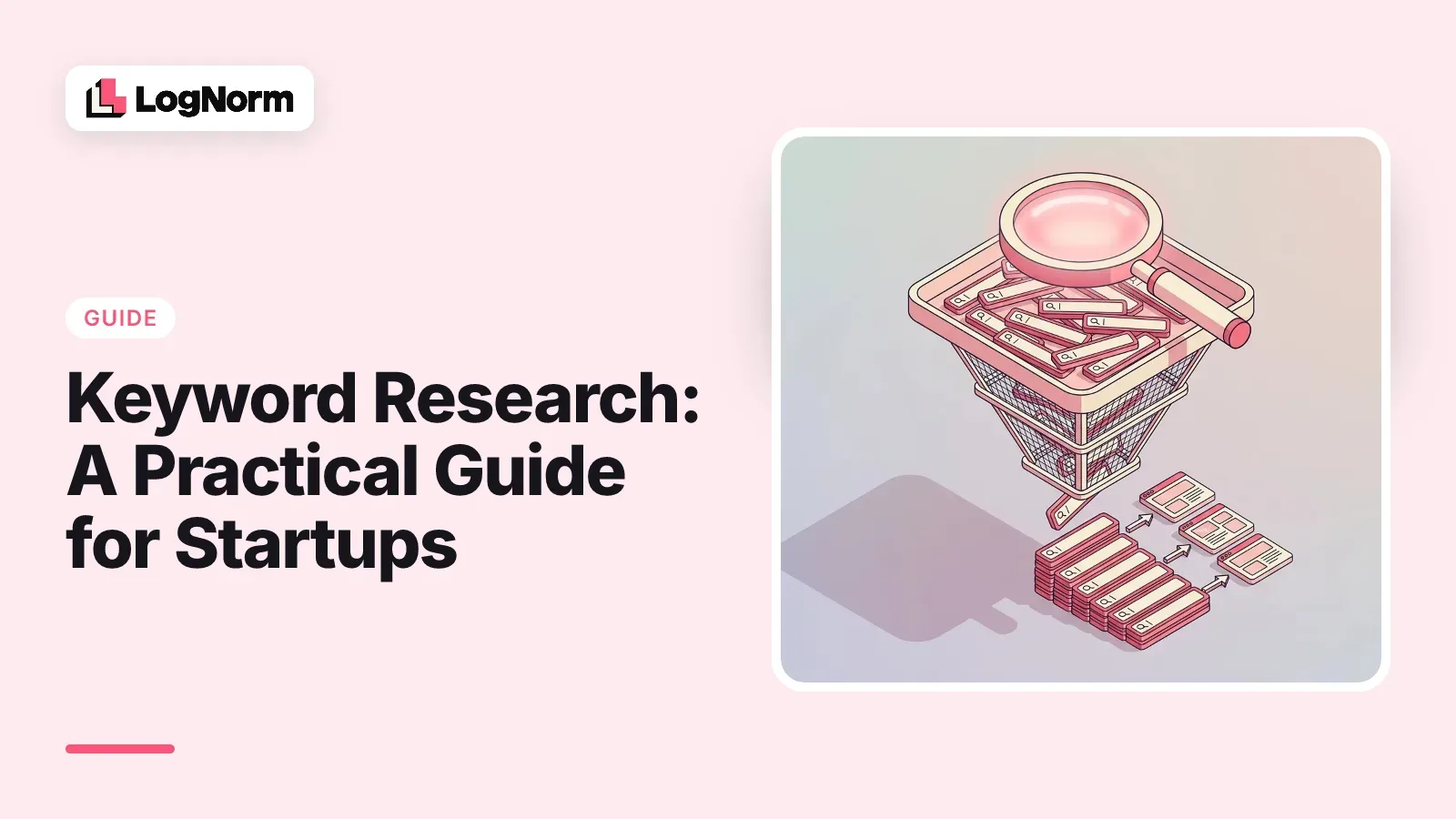
Keyword Research: A Practical Guide for Startups
Keyword research, step by step: find what buyers search, judge intent and difficulty, and pick keywords a young site can win, with a real worked example.

B2B Keyword Research: How to Find Keywords for a Niche Product
B2B keyword research for niche products: start from buyer language, judge keywords on fit over volume, and prove demand with Search Console and a test.

Google AI Mode: What It Changes for SEO and How to Show Up
Google AI Mode answers complex searches in a conversation with links. Here's how it differs from AI Overviews, what it does to clicks and how to get cited.
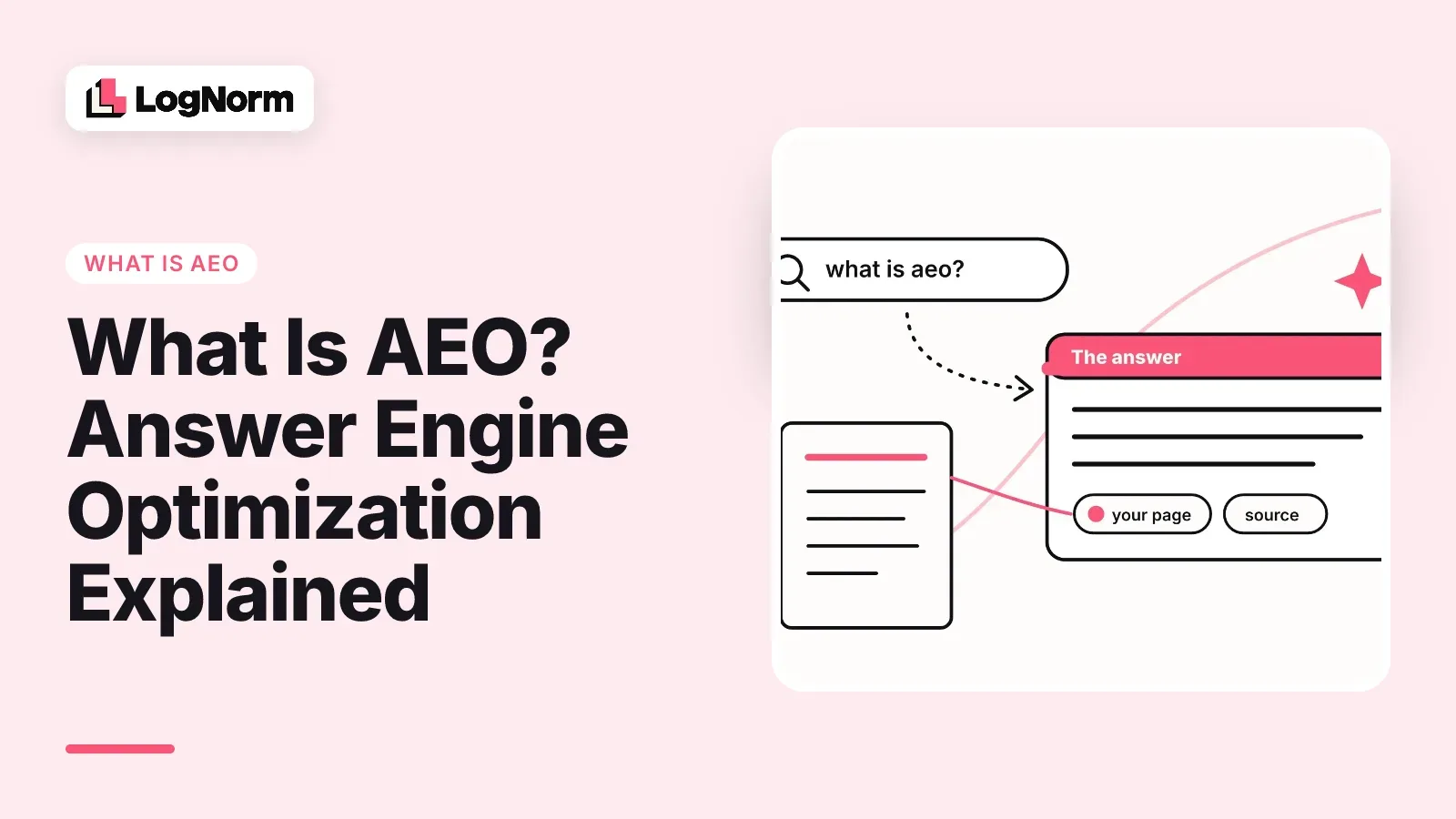
What Is AEO? Answer Engine Optimization Explained
What is AEO? Answer engine optimization makes your content the answer in AI Overviews, ChatGPT and voice search. What it means and how to measure it.

How to Rank in AI Overviews and Get Cited by Google
How to rank in Google AI Overviews: what Google requires, why citations come from beyond the top 10, which queries trigger them, and how to measure it.
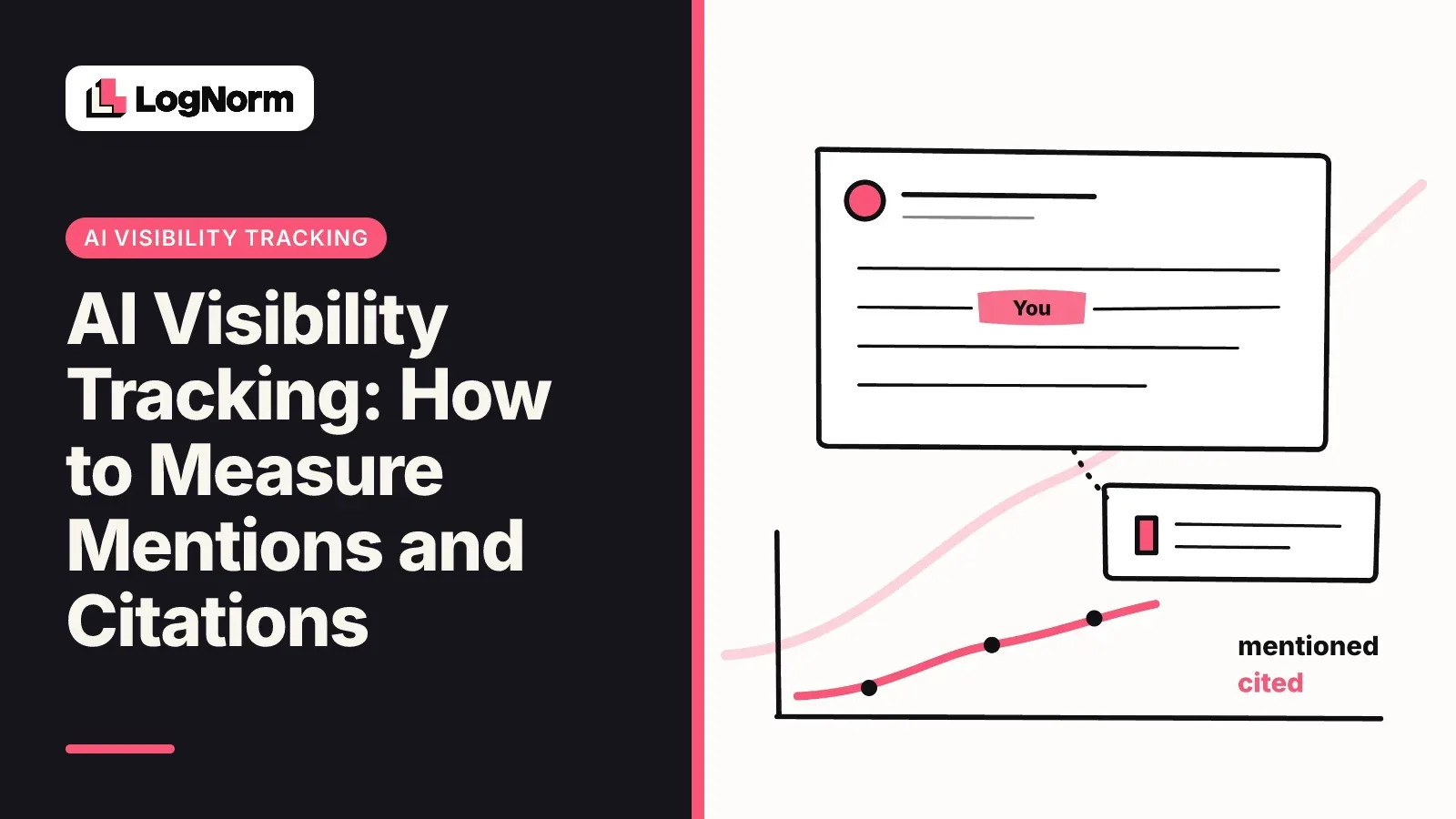
AI Visibility Tracking: How to Measure Mentions and Citations
AI visibility tracking, step by step: which prompts to track, engines and countries, mention vs citation rate, sampling, run frequency and what moves them.
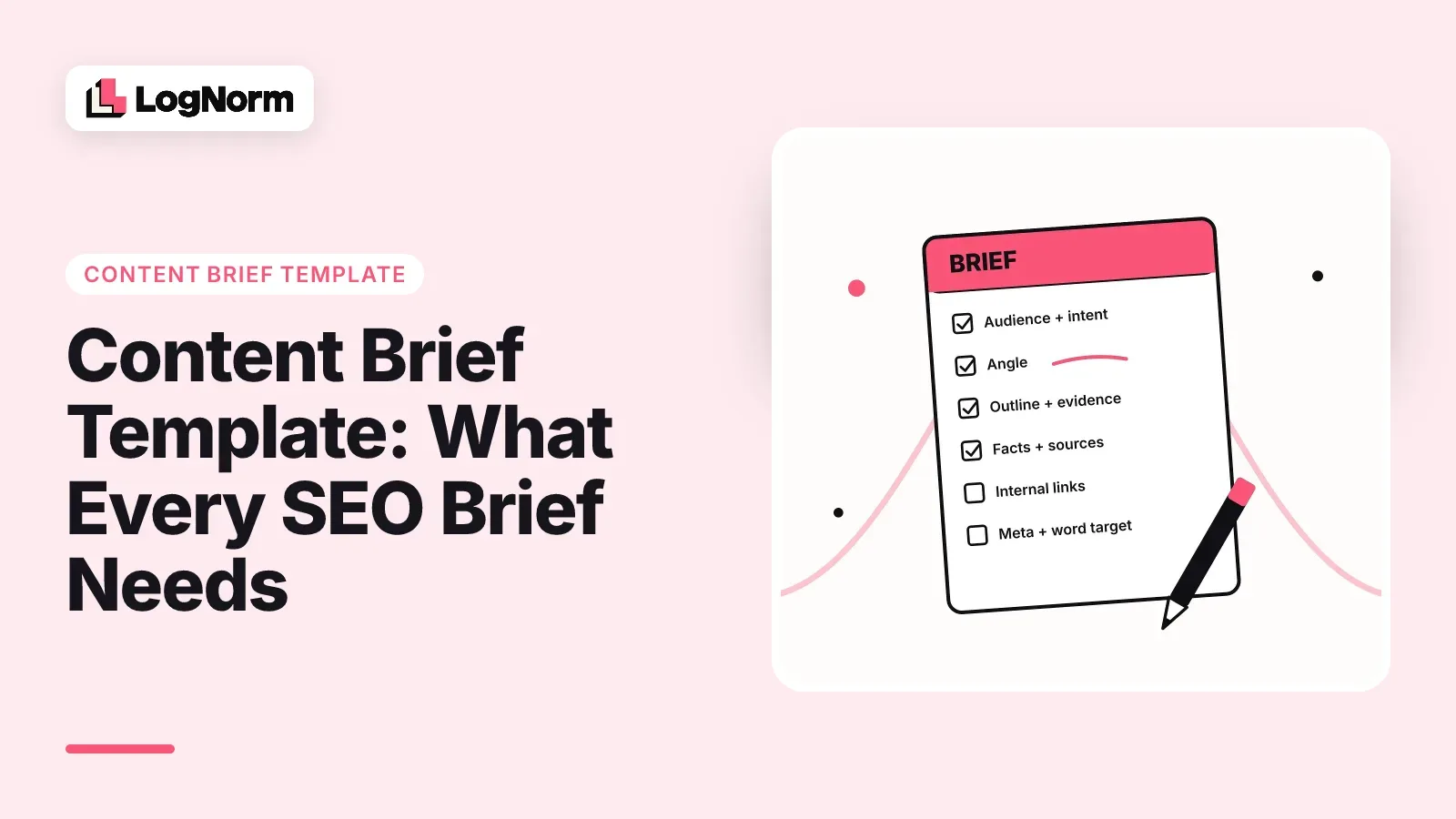
Content Brief Template: What Every SEO Brief Needs
A copyable content brief template for SEO articles: every field explained, a filled-in example, and how to automate the research while you keep the angle.

Content Gap Analysis: Find the Pages You're Missing
A content gap analysis method for startups: find missing pages via competitor keywords, buyer-journey page types, Search Console and AI answers, then rank.
Best AI Visibility Tools in 2026: Tracking That Leads to Action
Compare the best AI visibility tools for 2026: what they track in ChatGPT, Gemini and AI Overviews, what drives the price, and which turn gaps into fixes.
SEO Audit Checklist: 30 Checks in the Order That Matters
Use this SEO audit checklist to run 30 checks in order of impact, from indexing and AI crawler access to Core Web Vitals, and fix what costs traffic first.
15 Search Engine Optimization Free Tools for Bootstrapped Startups
Search engine optimization free tools for bootstrapped startups: the 7 every startup needs, 8 for specific jobs, their free limits and how to use them.
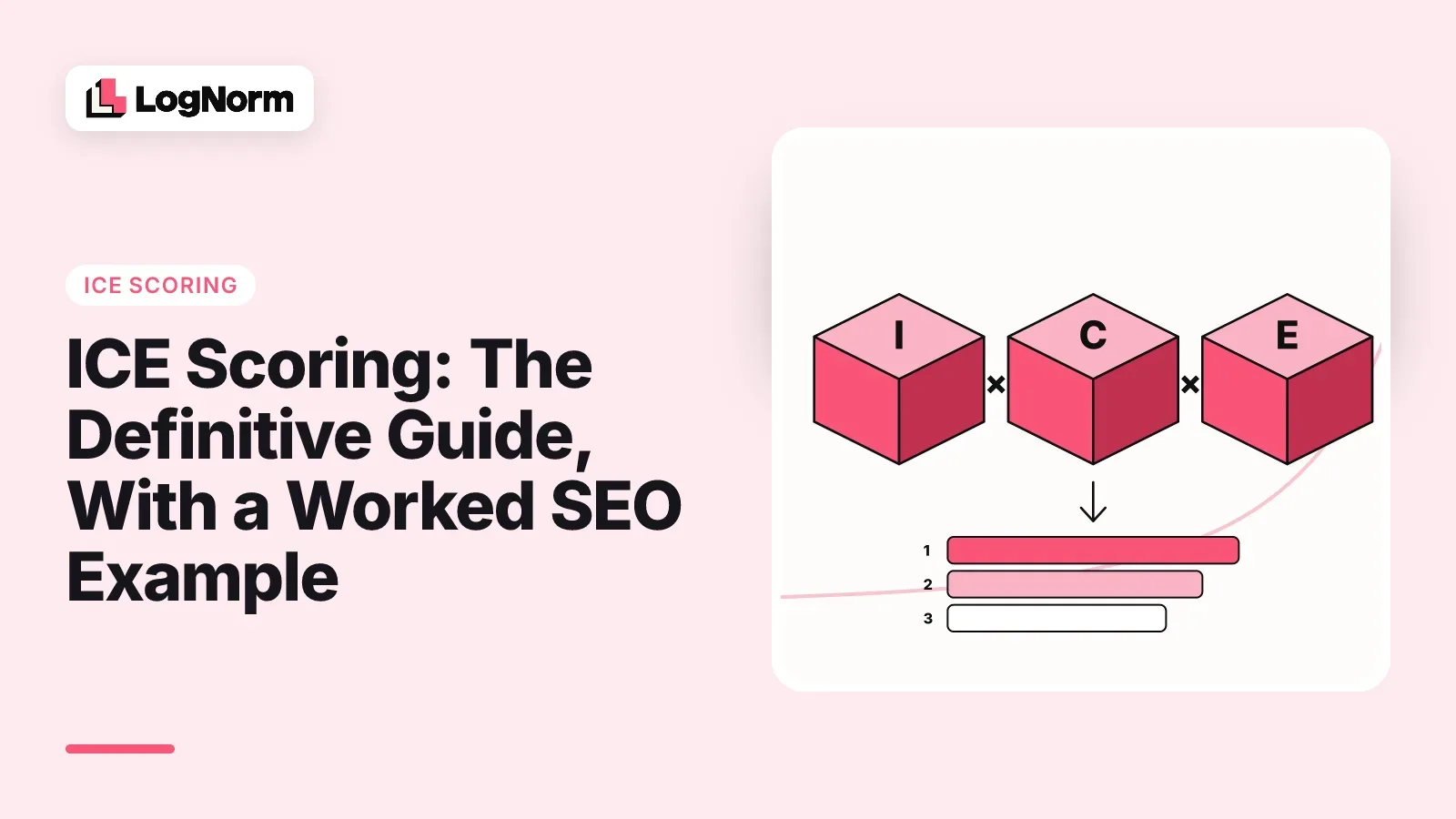
ICE Scoring: The Definitive Guide, With a Worked SEO Example
ICE scoring explained with a worked example on SEO and growth tasks, its weak spots (inflation, ties, gut feel) and how pairwise ranking fixes them.
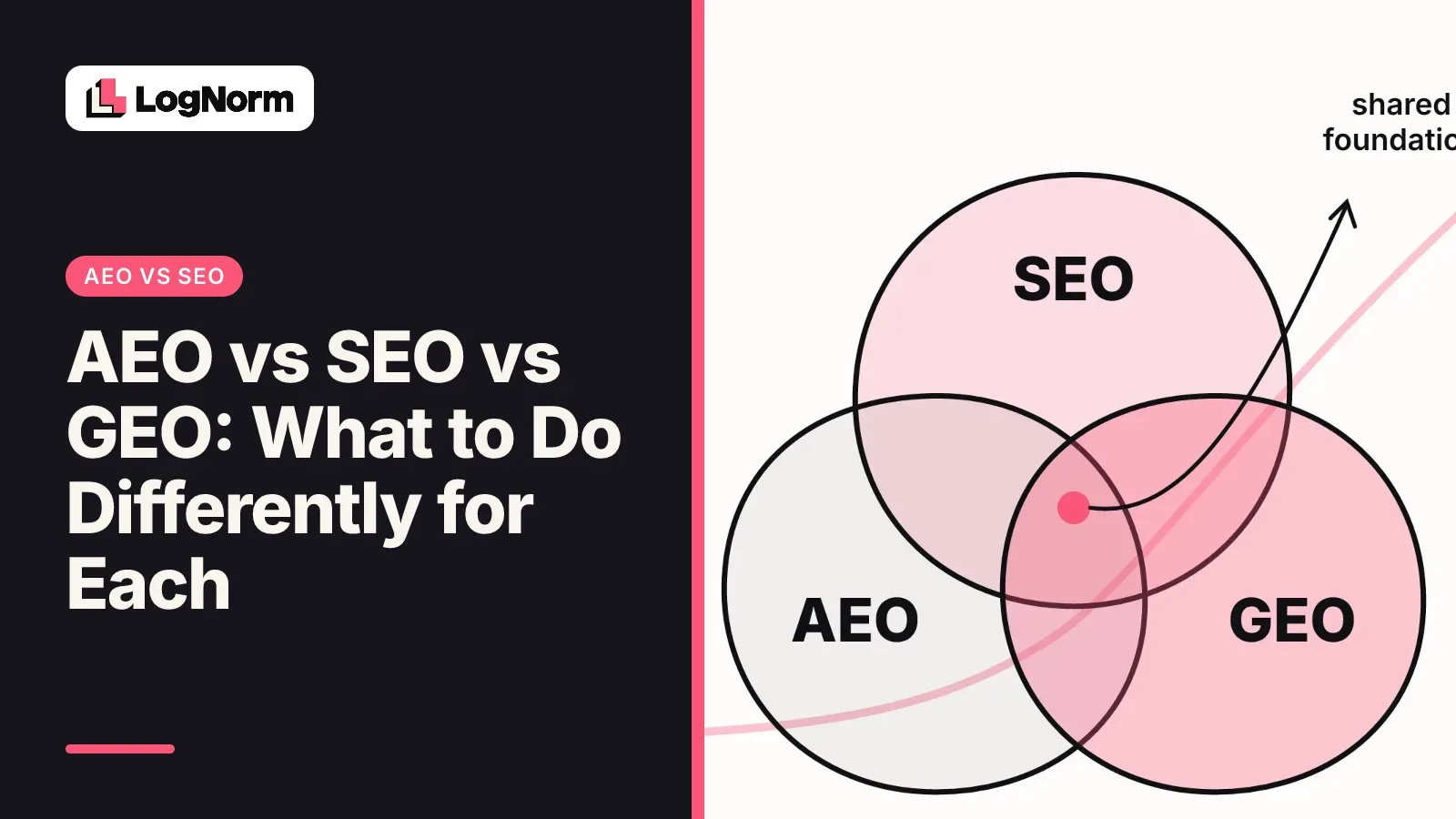
AEO vs SEO vs GEO: What to Do Differently for Each
AEO vs SEO vs GEO compared in one table: what each one optimizes for, how to measure it, and the work a small team should do differently for each.

SEO Content Writing: How to Write Pages That Rank and Get Cited by AI
SEO content writing in 2026: build a research brief, write answer-first, verify every fact, link internally and review. Where AI writers help and fail.
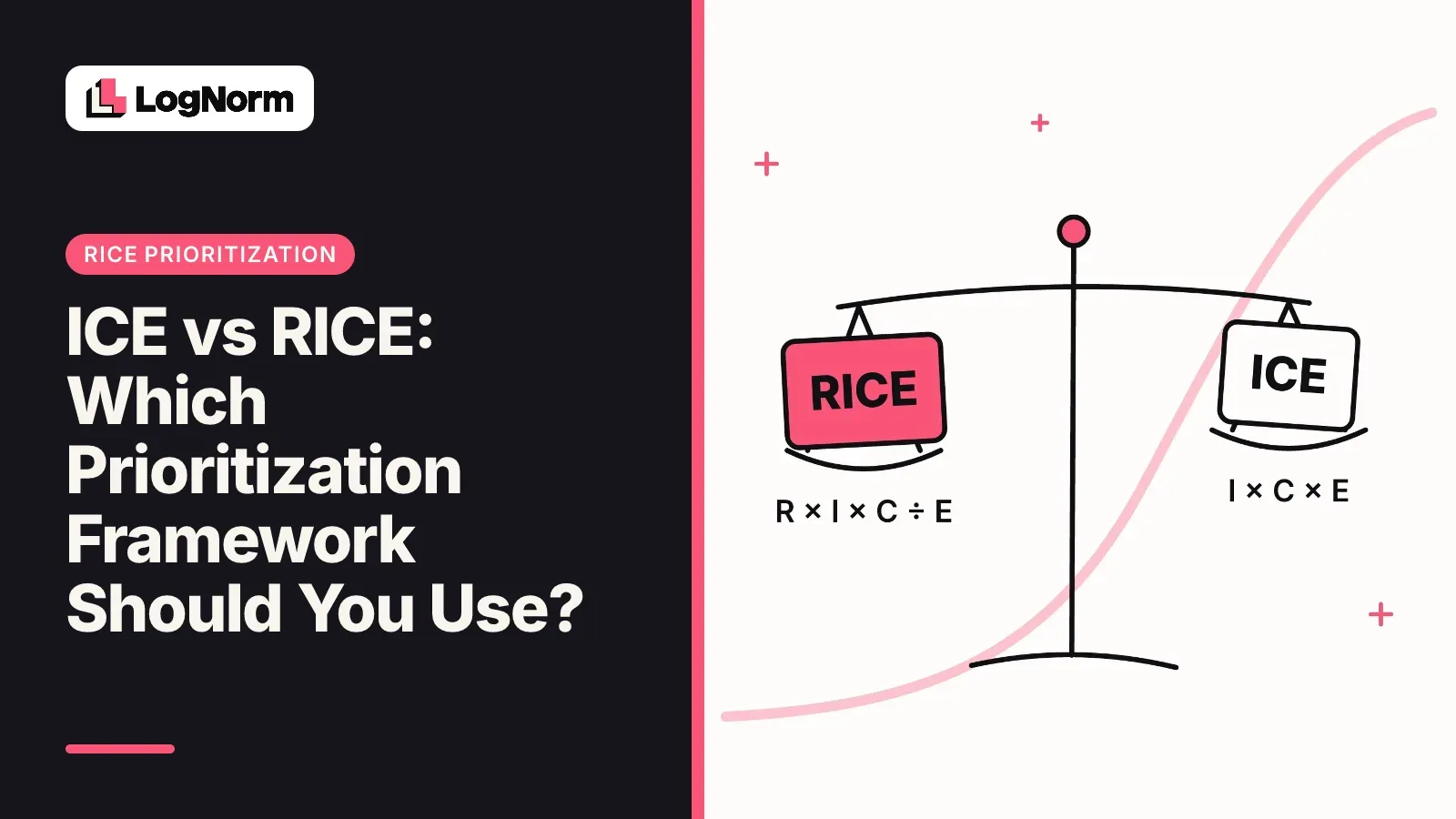
ICE vs RICE: Which Prioritization Framework Should You Use?
RICE prioritization vs ICE scoring, side by side: both formulas, five growth tasks scored both ways, and which framework fits your team and its data.
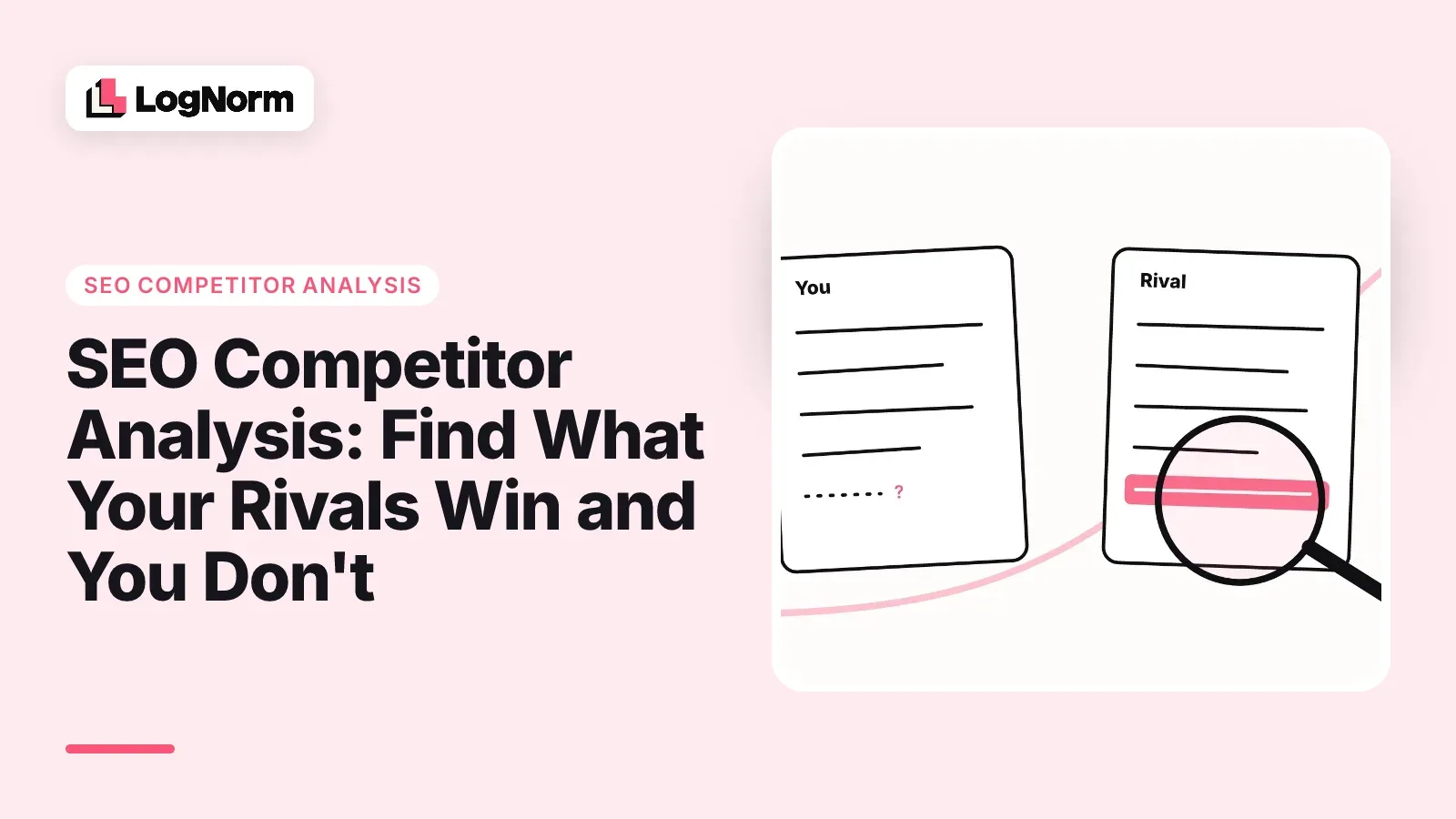
SEO Competitor Analysis: Find What Your Rivals Win and You Don't
A step-by-step SEO competitor analysis: find your real search rivals, keyword gaps, the pages they win with and AI answers, then rank what to do first.

Perplexity SEO: How to Show Up in Perplexity Answers
Perplexity SEO in practice: let PerplexityBot crawl your site, write answer-first pages, keep them fresh, earn mentions elsewhere and track citations.

Technical SEO Audit: How to Run One and Fix What Matters
A technical SEO audit in six areas, from crawl and indexing to AI crawler access, plus how to triage findings, fix them and verify each fix live.
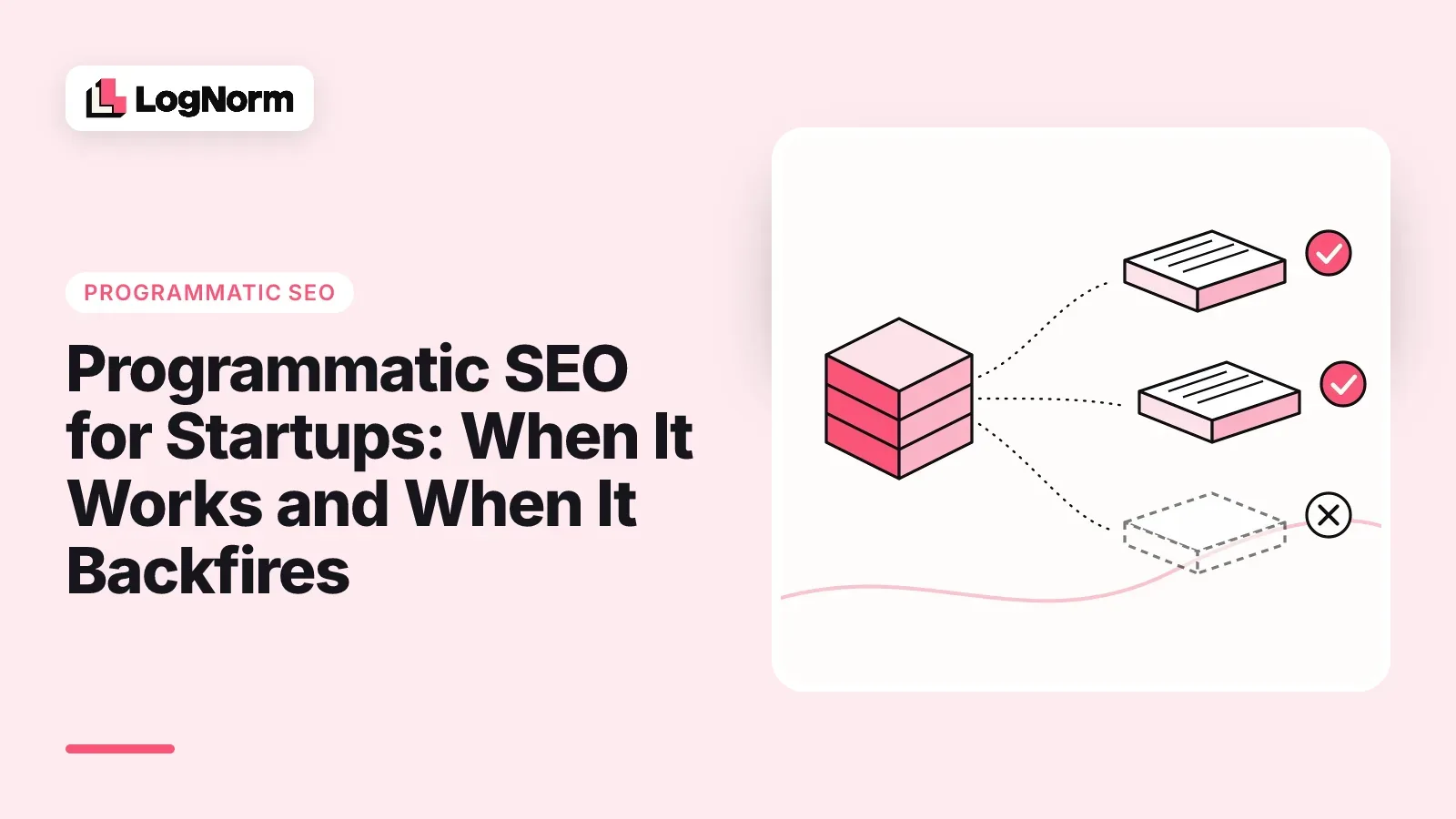
Programmatic SEO for Startups: When It Works and When It Backfires
Programmatic SEO for startups: the three conditions that make templated pages work, how they become scaled content abuse, and a checklist to start small.
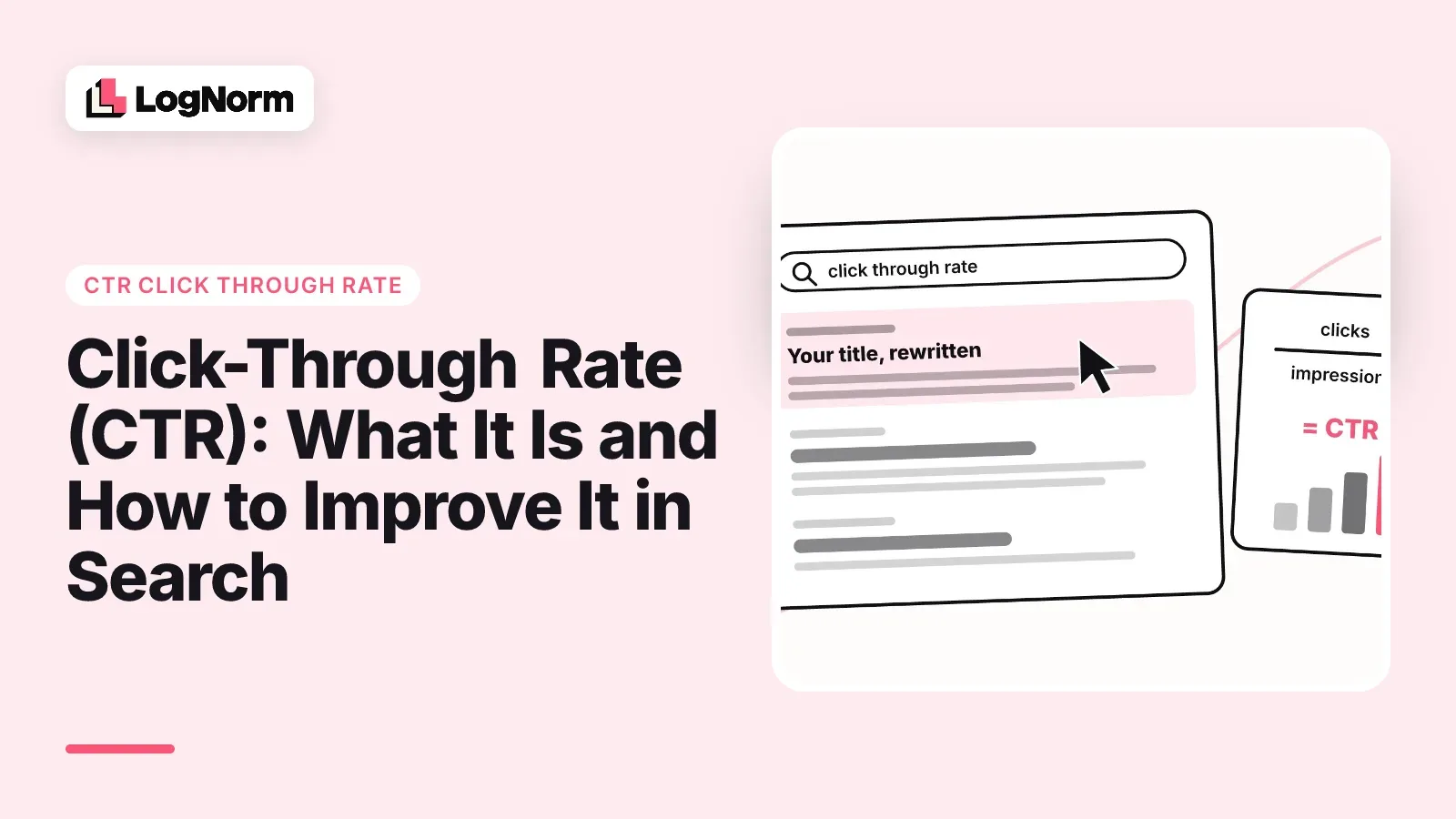
Click-Through Rate (CTR): What It Is and How to Improve It in Search
CTR click through rate explained: the formula, how to read it in Search Console by query and position, what moves it, and how to test title changes.
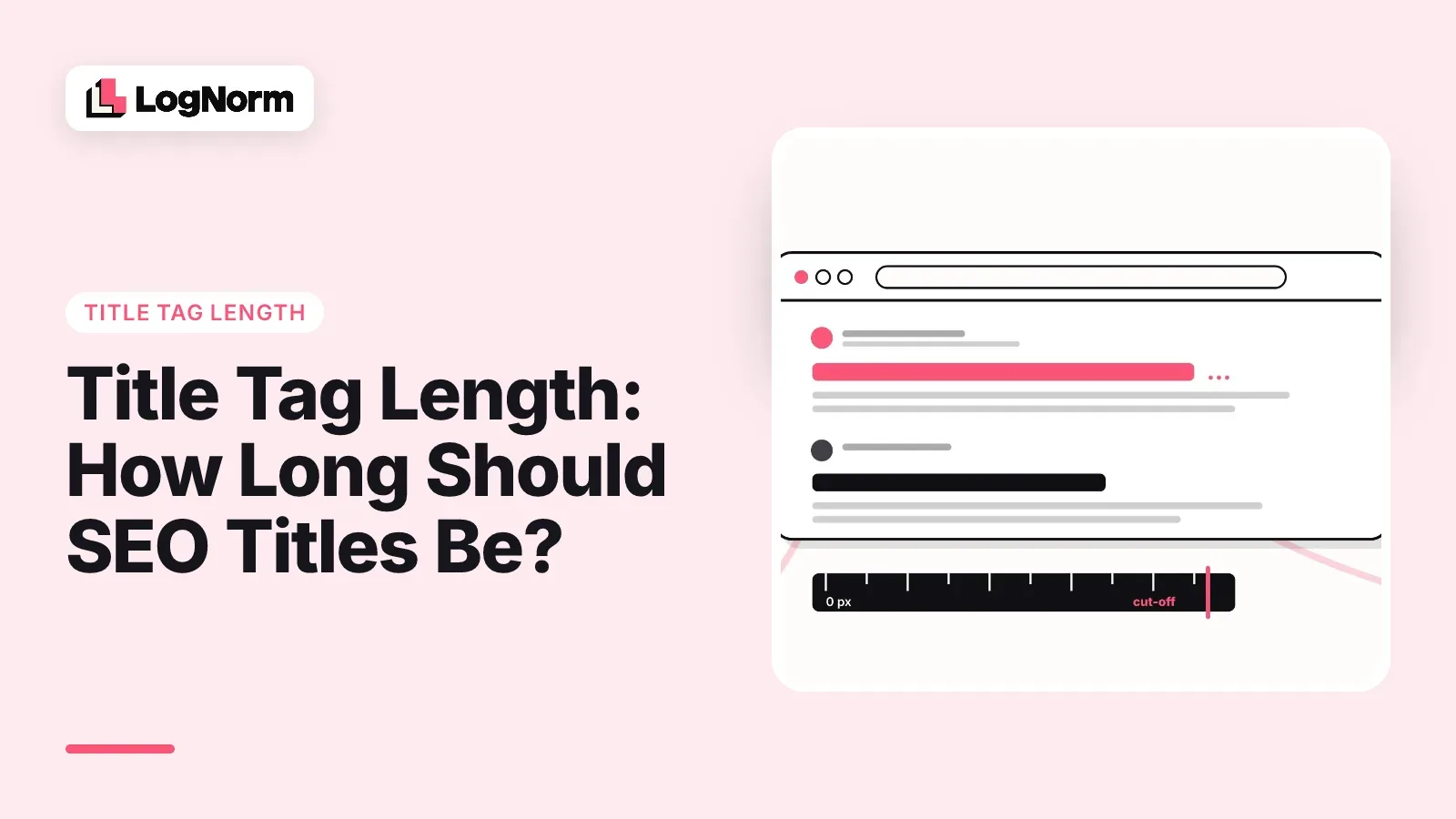
Title Tag Length: How Long Should SEO Titles Be?
Google has no title tag length limit but cuts titles by pixel width. Aim for 50 to 60 characters, learn why Google rewrites titles, and check yours fast.
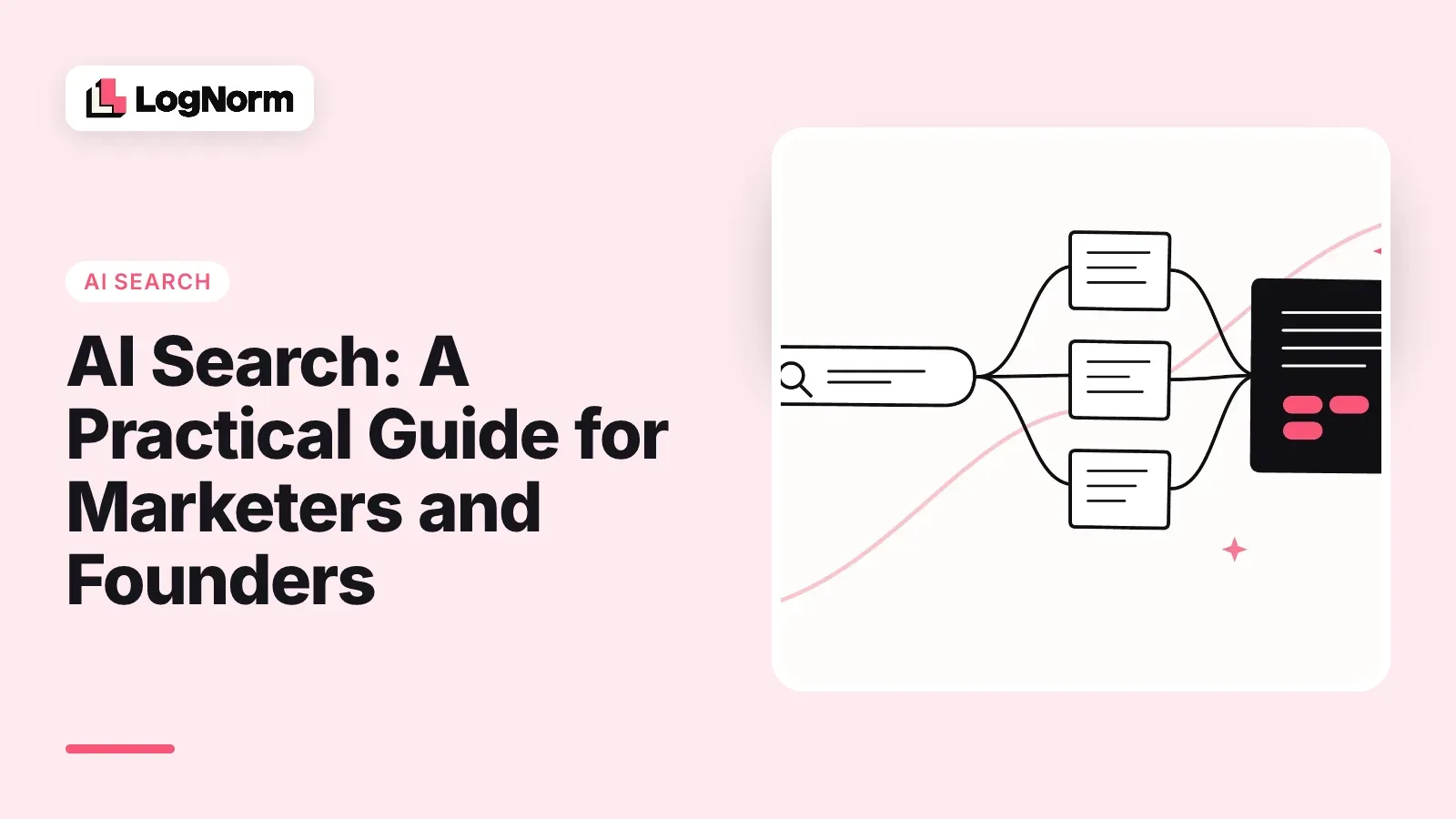
AI Search: A Practical Guide for Marketers and Founders
AI search explained for marketers and founders: ChatGPT search, Perplexity, Gemini, AI Overviews and AI Mode, what happens to clicks, and 5 steps to take.
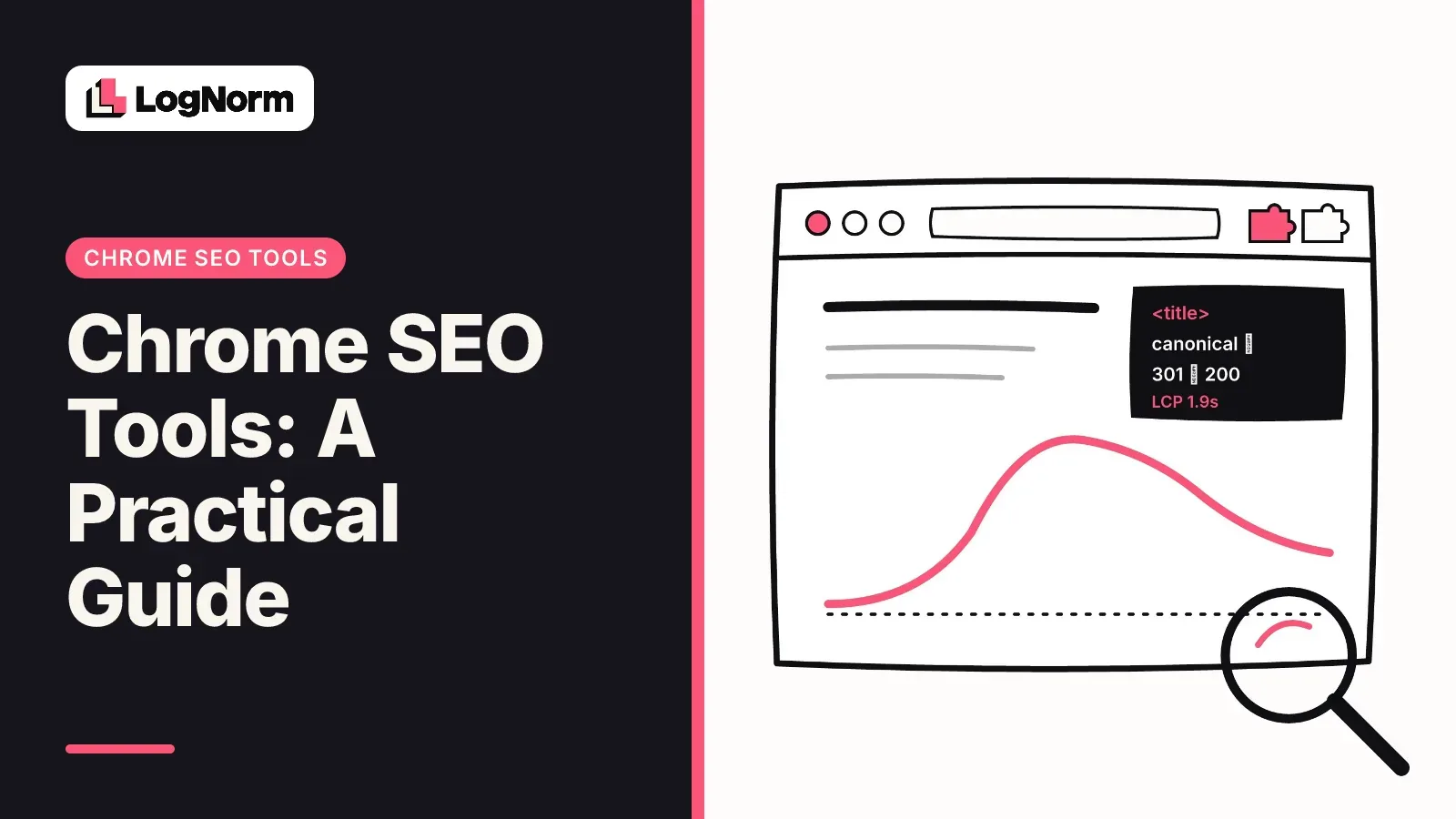
Chrome SEO Tools: A Practical Guide
The Chrome SEO tools worth using, grouped by job: DevTools, Lighthouse and free extensions for tags, redirects, rendering and speed, with their limits.
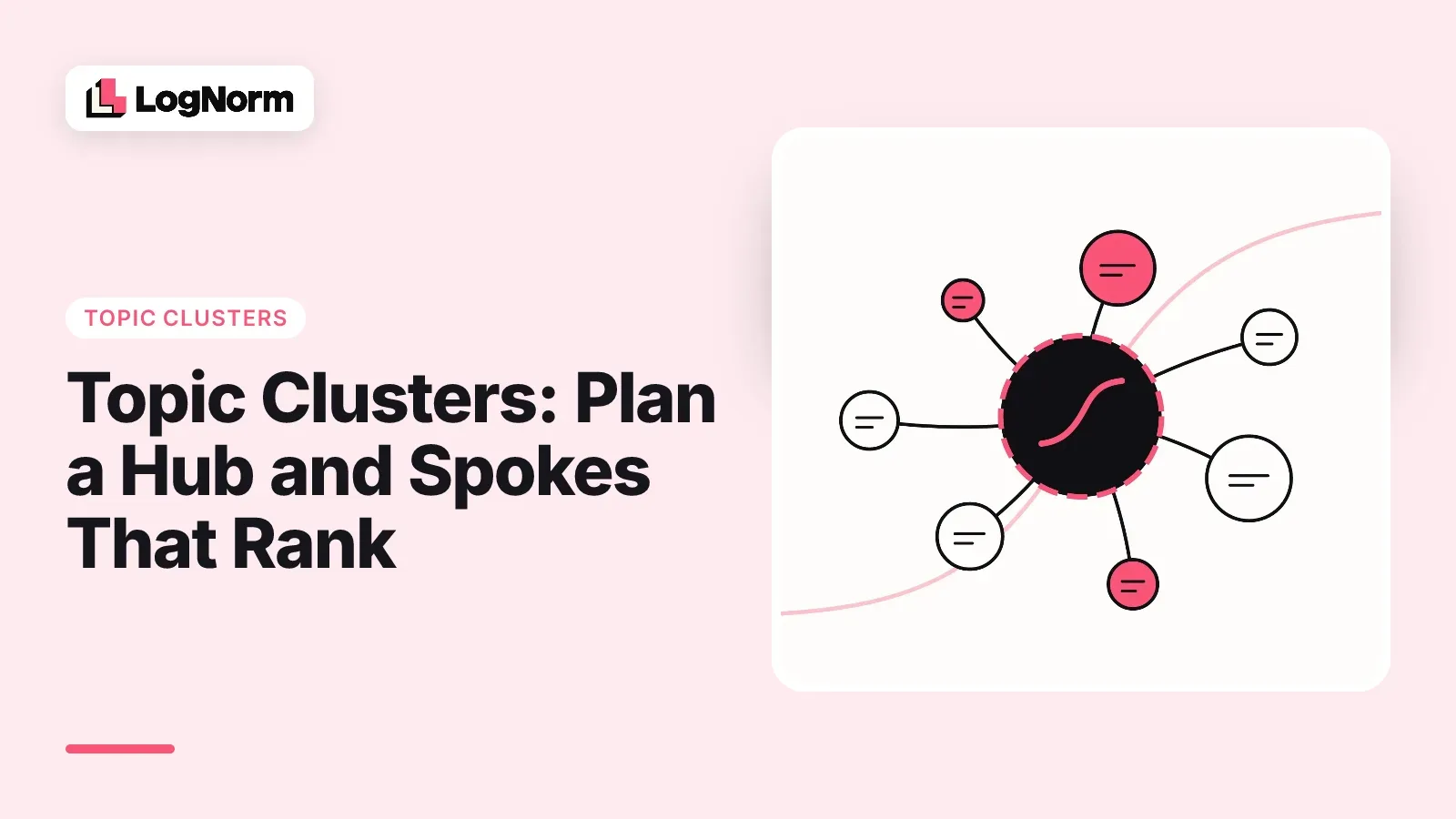
Topic Clusters: Plan a Hub and Spokes That Rank
Plan topic clusters from keyword data: pick the pillar, group keywords by intent, decide hub vs spokes, wire internal links and set a publishing order.
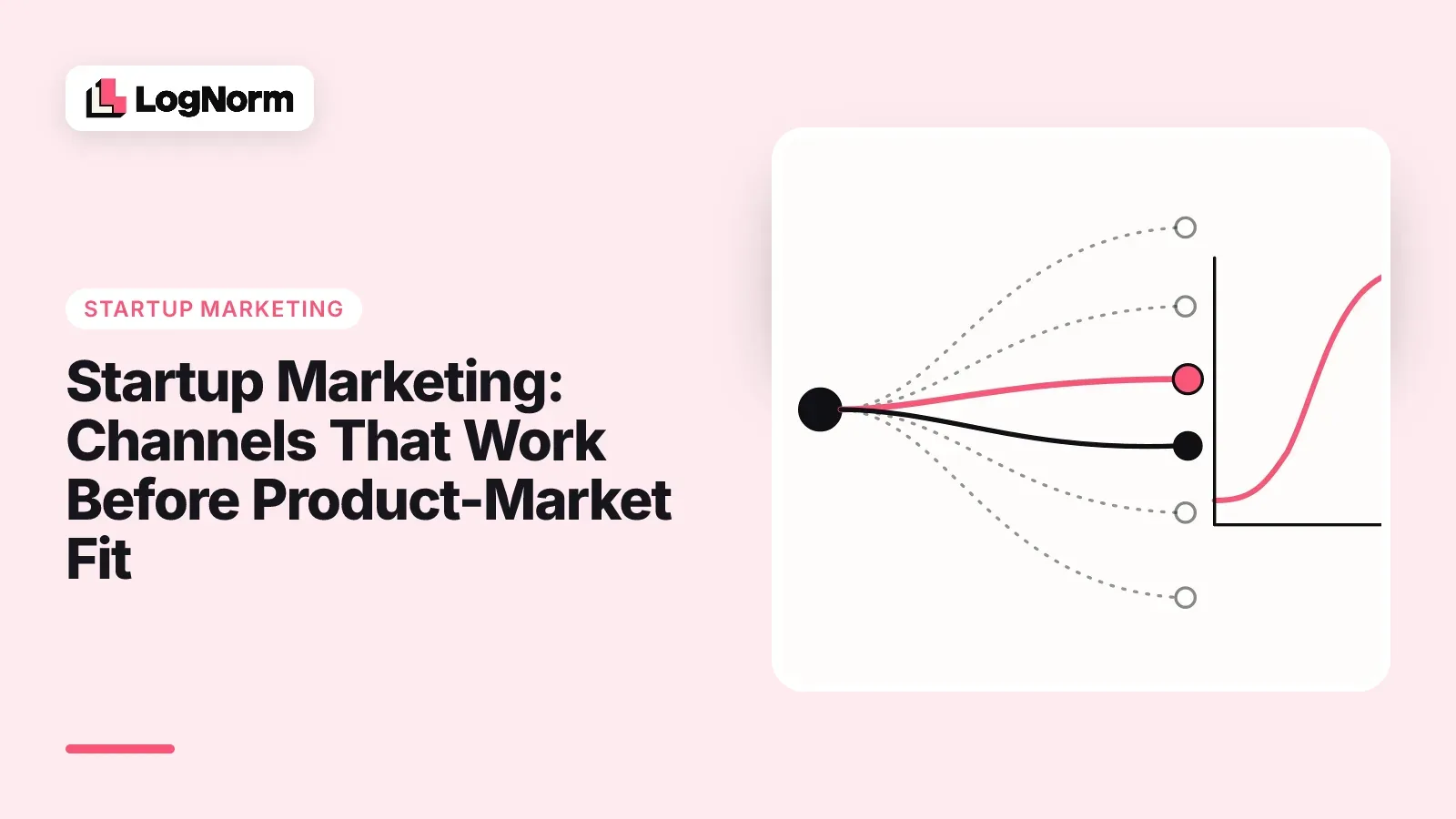
Startup Marketing: Channels That Work Before Product-Market Fit
Startup marketing before product-market fit: which channels to run, how to pick one or two, and what to measure while you still learn who your buyer is.

LLM SEO: How to Get Your Brand Into AI Answers
LLM SEO is how you get named and cited by ChatGPT, Gemini, Perplexity and AI Overviews. A five-step playbook from crawler access to measuring answers.

AI Citations: Why Some Pages Get Cited by ChatGPT and Gemini
AI citations are the pages ChatGPT, Gemini and AI Overviews list as sources. Learn mention vs citation, how to read your sources and what to change.
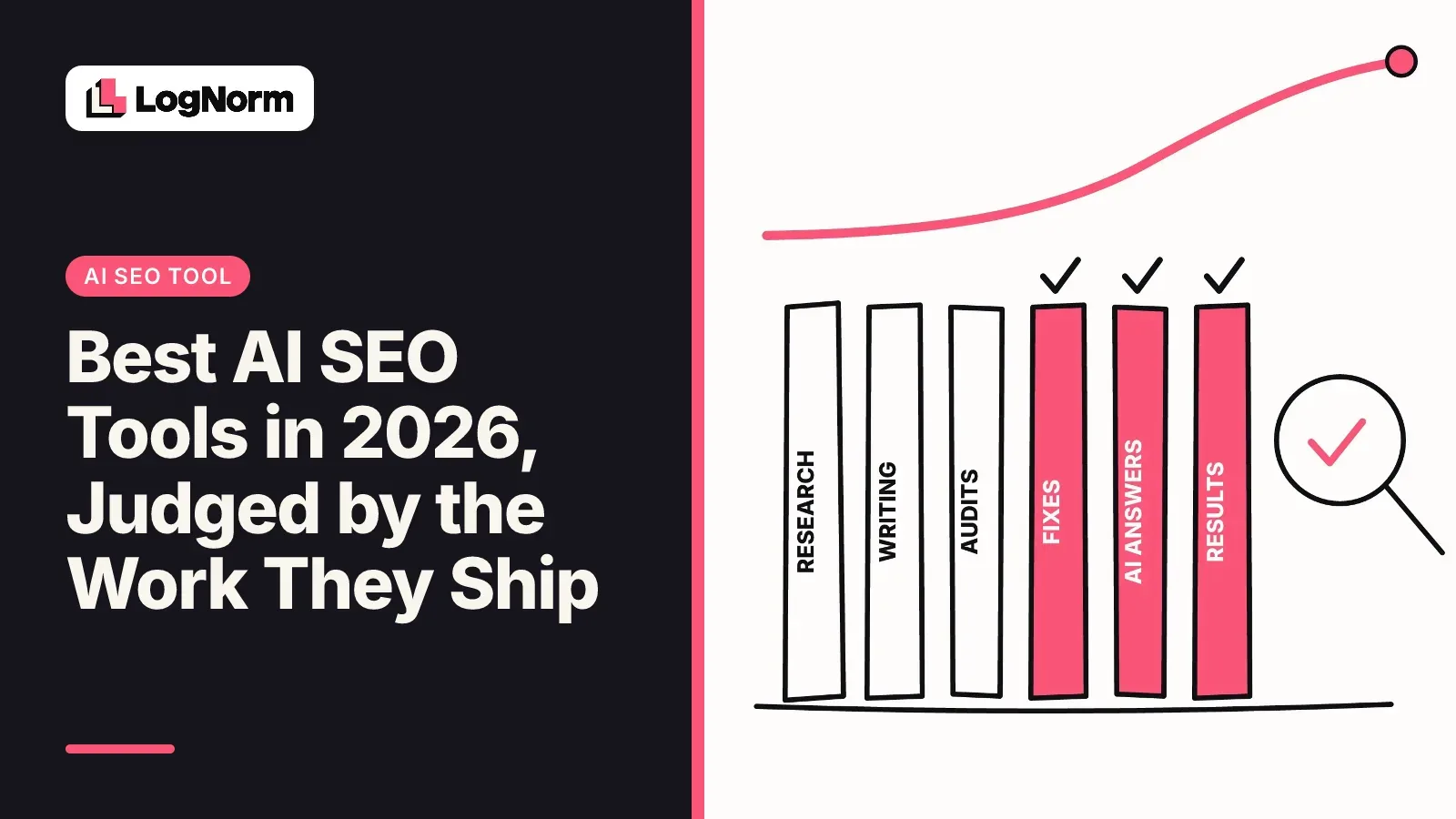
Best AI SEO Tools in 2026, Judged by the Work They Ship
Compare the best AI SEO tools by the work they ship: research, content, fixes, AI visibility and measured results. Pick the right stack for a startup.
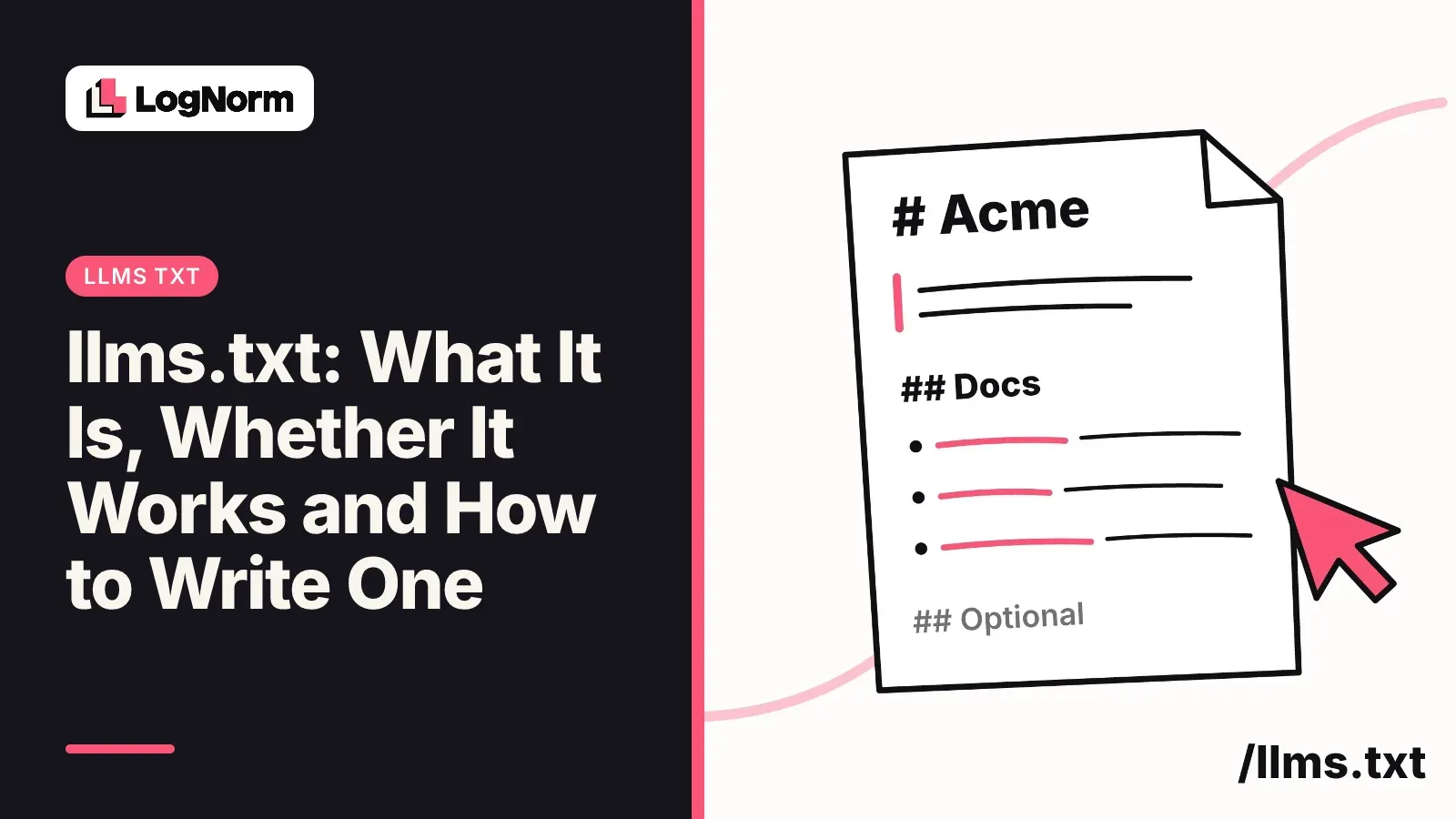
llms.txt: What It Is, Whether It Works and How to Write One
llms.txt is a Markdown map of your site for AI agents. What the spec says, what the evidence shows about AI answers, and an example file you can copy.
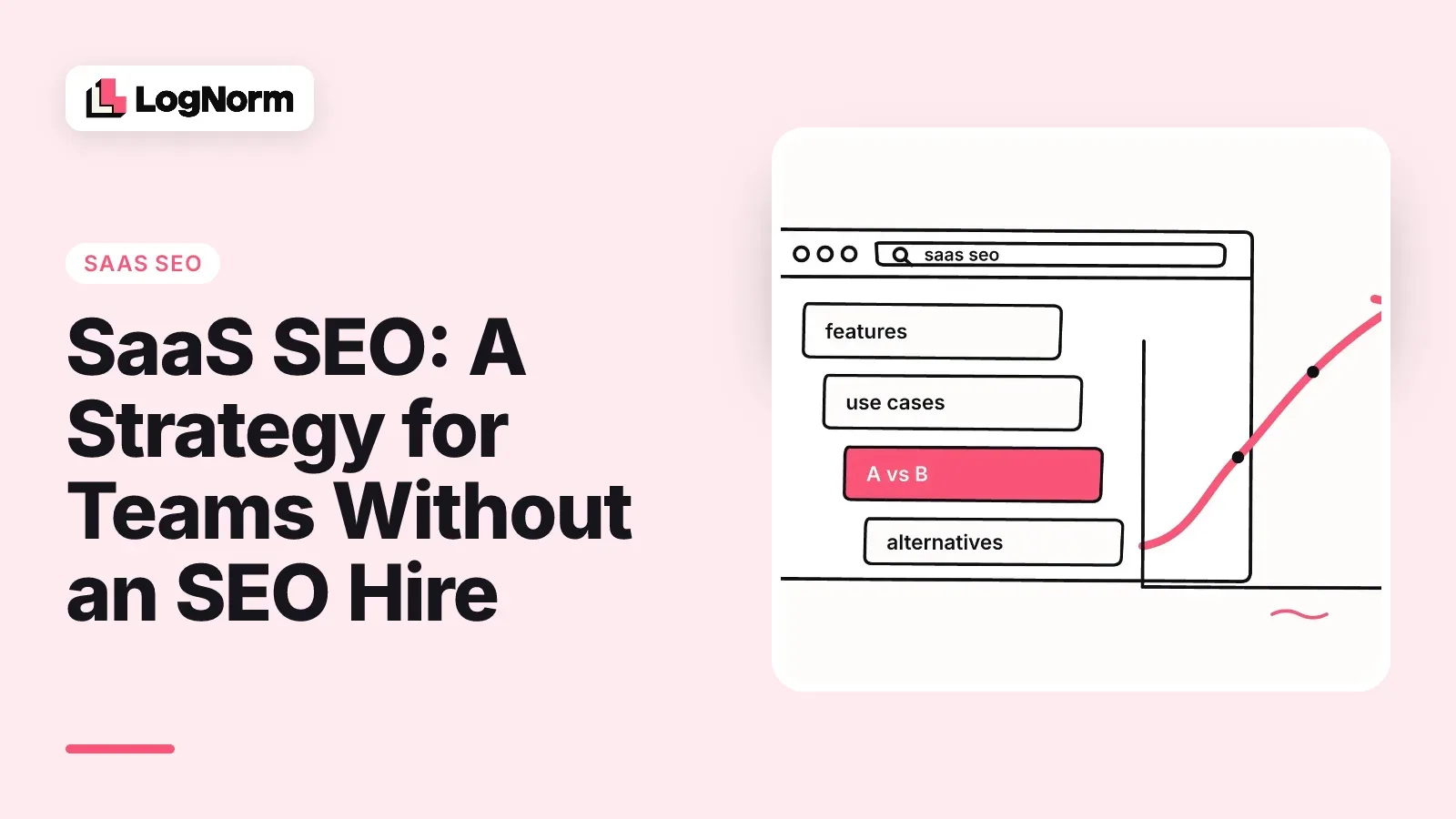
SaaS SEO: A Strategy for Teams Without an SEO Hire
A SaaS SEO strategy for teams without an SEO hire: the pages buyers search for, what to build first, technical basics, AI answers and how to measure.
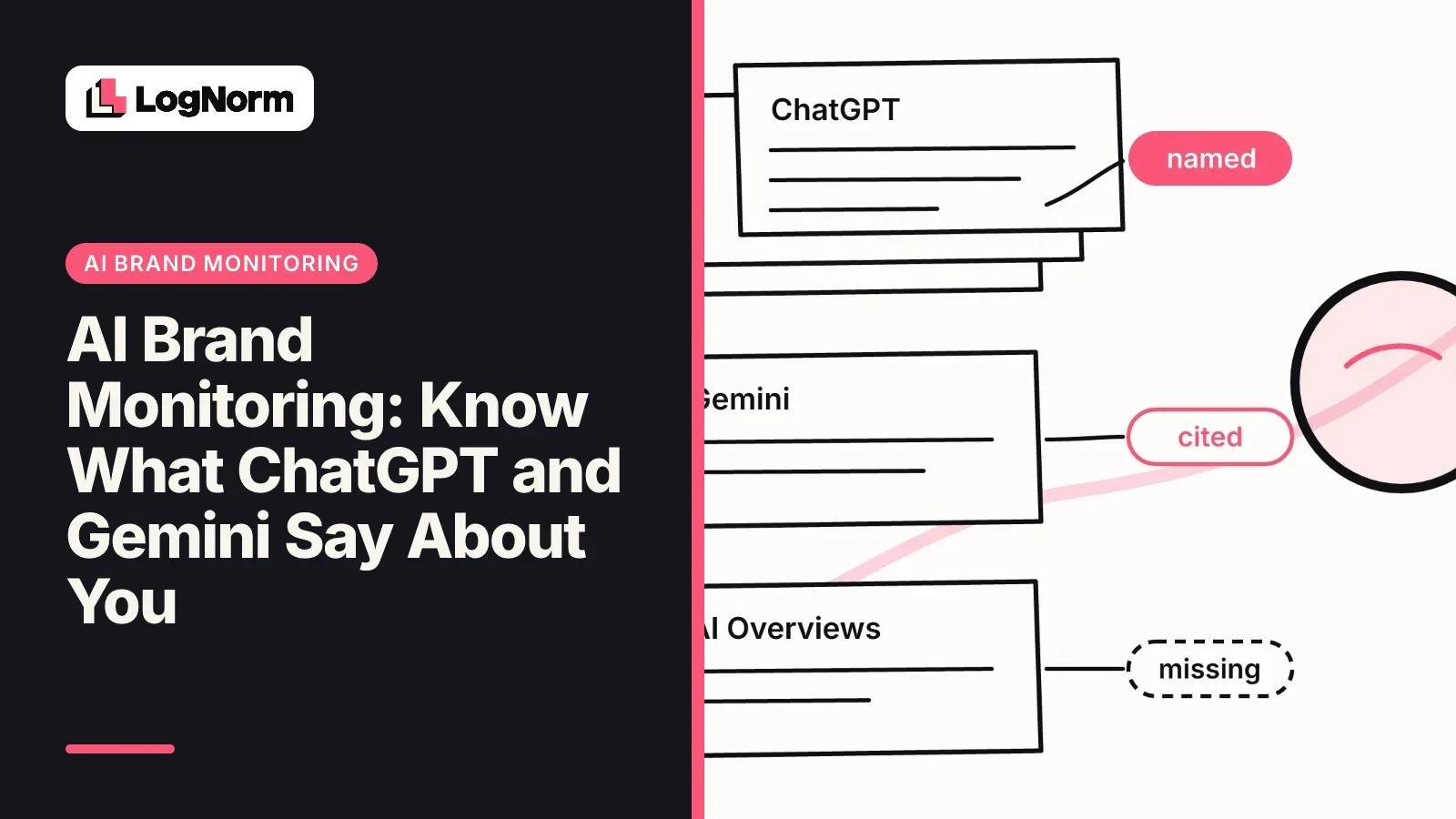
AI Brand Monitoring: Know What ChatGPT and Gemini Say About You
AI brand monitoring, step by step: track mentions, citations and recommendations by engine and country, and fix answers that miss or misdescribe you.
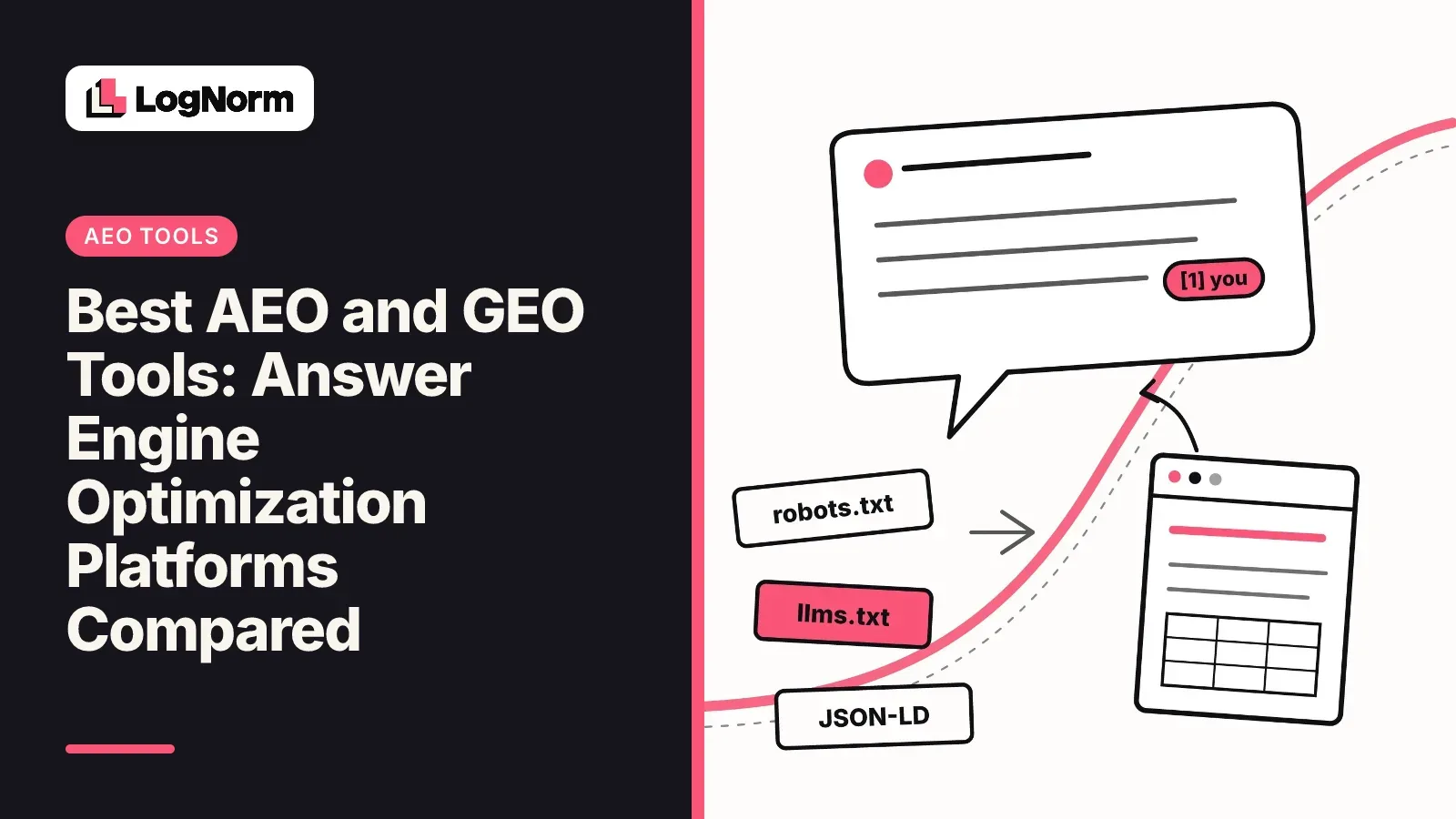
Best AEO and GEO Tools: Answer Engine Optimization Platforms Compared
The best AEO and GEO tools sorted by the job they do: AI crawler access, llms.txt, structured data, answer-first content and tracking, plus what they cost.

Competitor Intelligence for Startups: A Lightweight System
A lightweight competitor intelligence system for startups: what to watch, how often to check, a one-page template and how to turn signals into decisions.

Growth Marketing Strategy: Build One Around a Weekly Plan
Build a growth marketing strategy your startup can run: one goal, two channels, a ranked backlog, a weekly plan and results measured at 28 and 90 days.
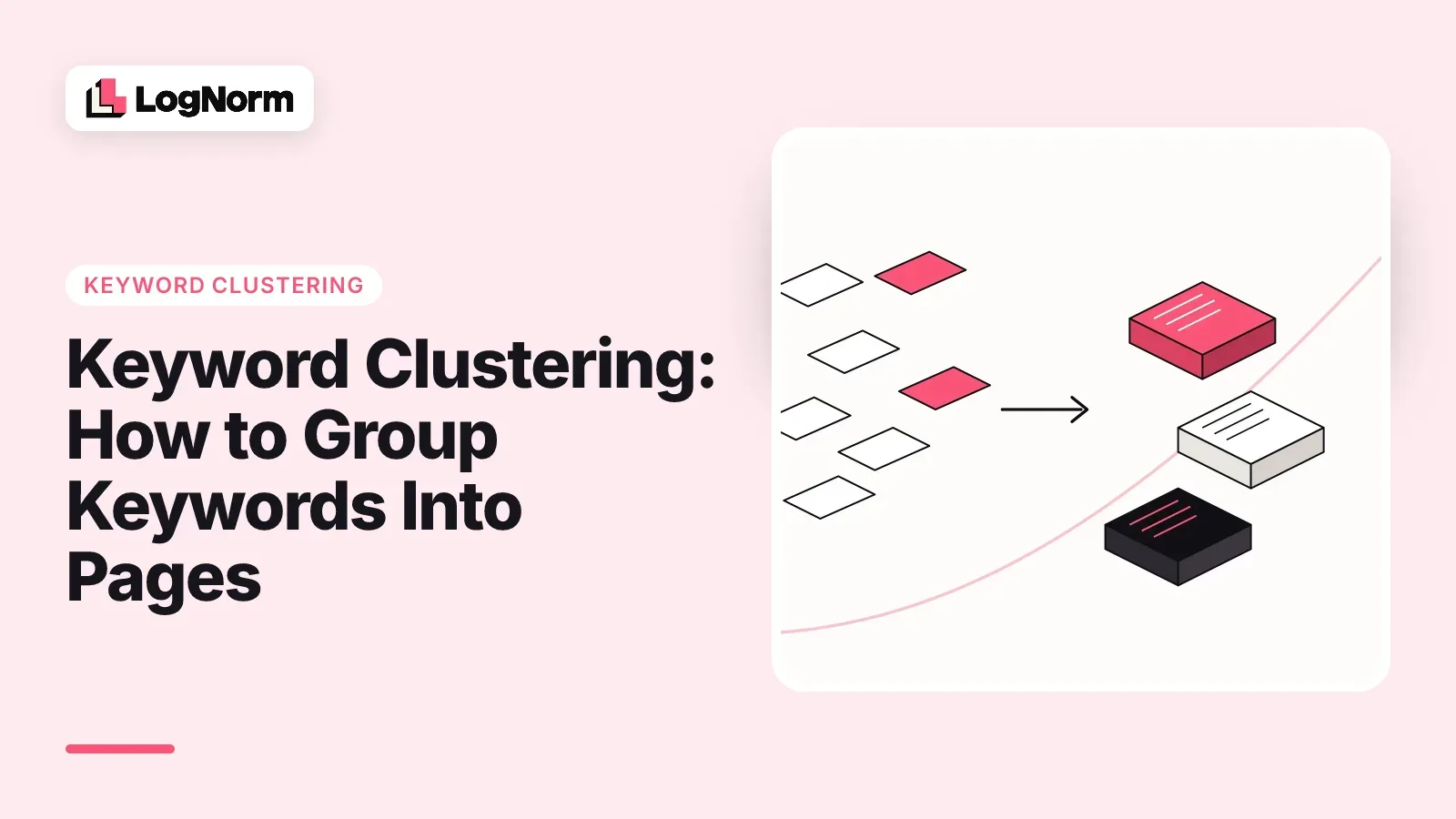
Keyword Clustering: How to Group Keywords Into Pages
Keyword clustering groups searches one page can rank for. Learn to cluster by intent and SERP overlap, handle overlaps and map each cluster to one page.
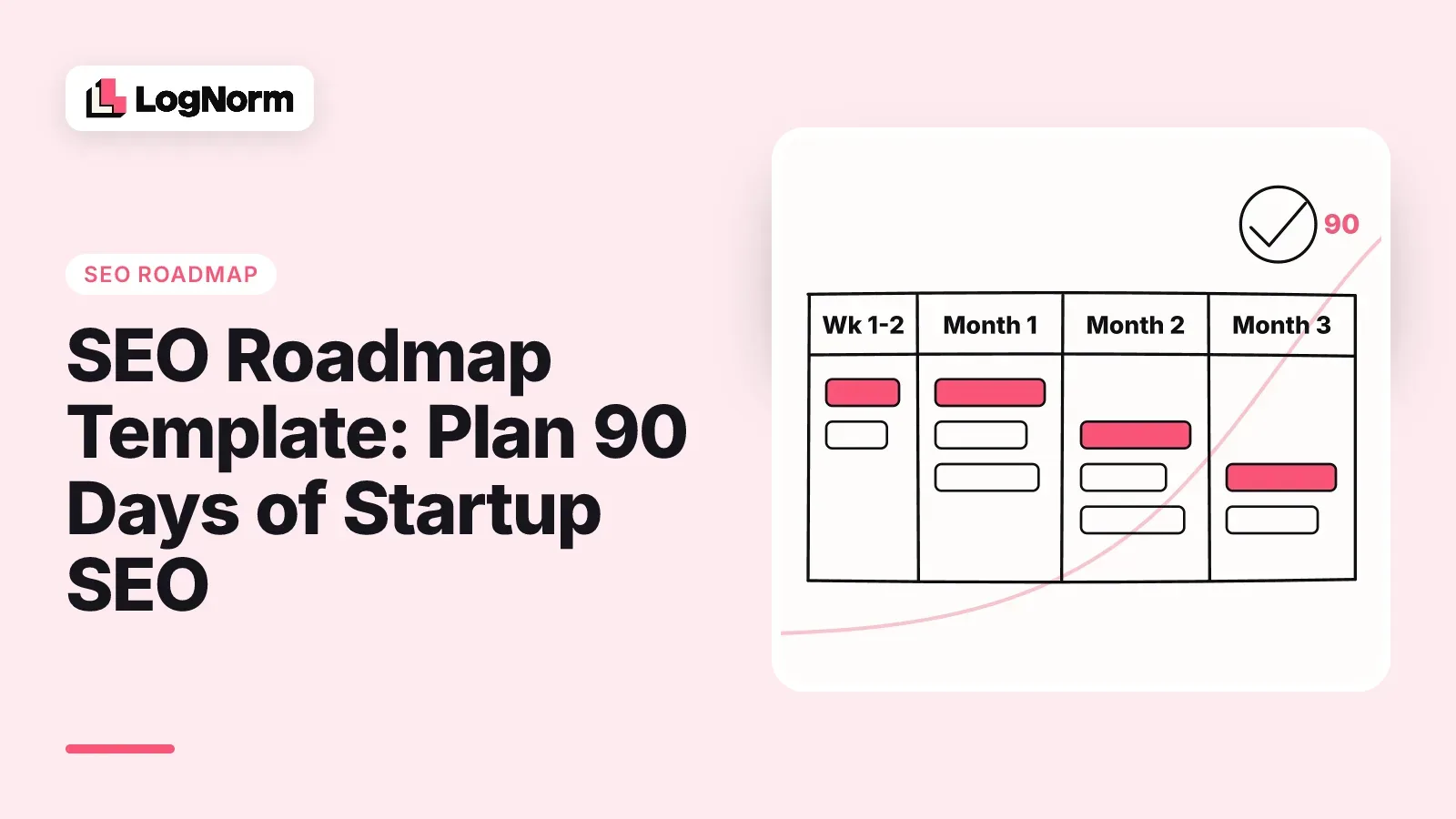
SEO Roadmap Template: Plan 90 Days of Startup SEO
A copyable 90-day SEO roadmap template for startups: what to do in weeks 1-2 and months 1-3, how to rank tasks as a backlog, and how to measure results.

What Is a Pillar Page? Examples and a Simple Structure
A pillar page covers a broad topic on one URL and links to deeper spoke pages. See the structure, three types, live examples and mistakes to avoid.
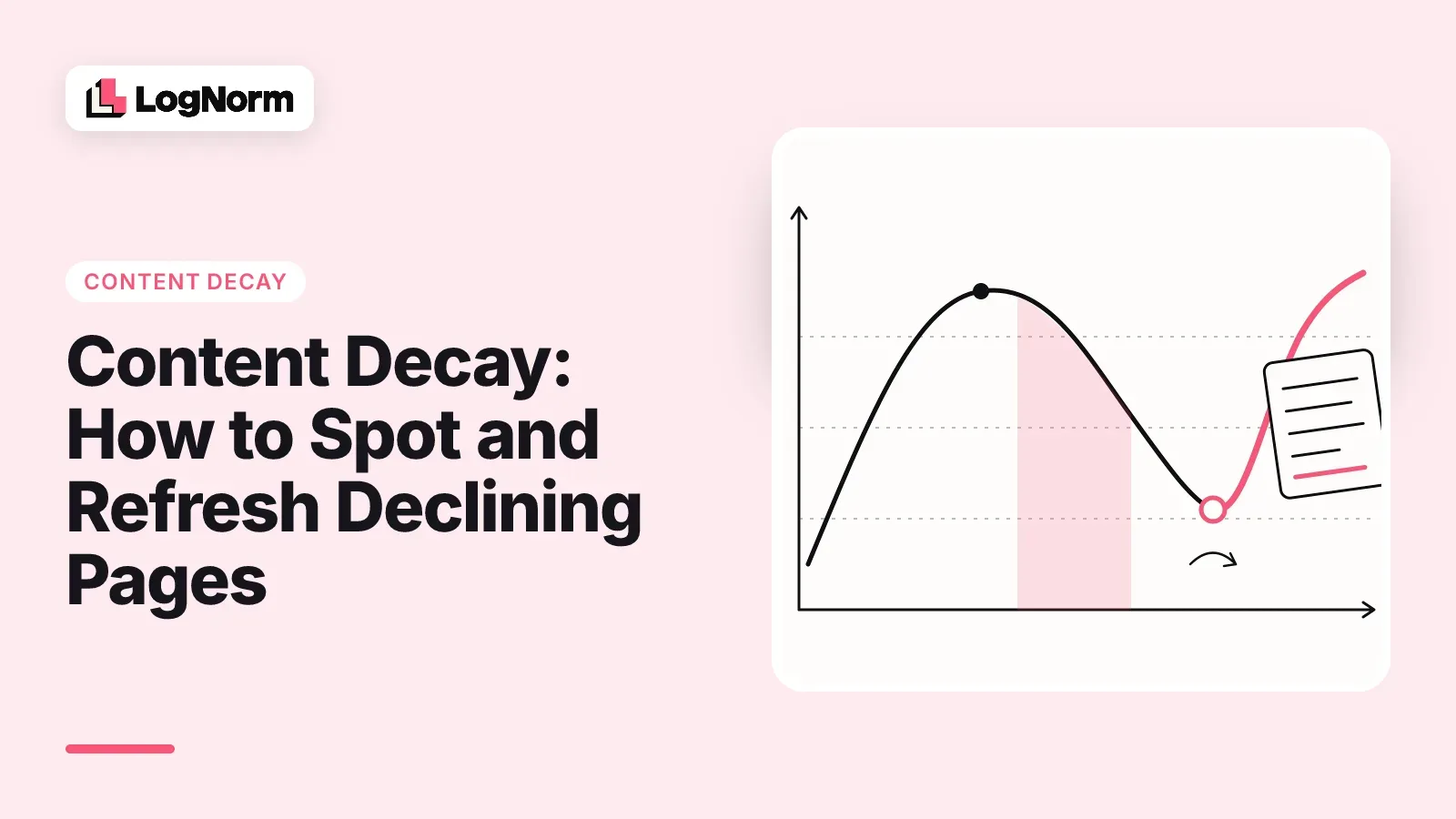
Content Decay: How to Spot and Refresh Declining Pages
Content decay explained: what causes pages to lose clicks, how to find them in Search Console by page and query, and how to refresh or merge them.
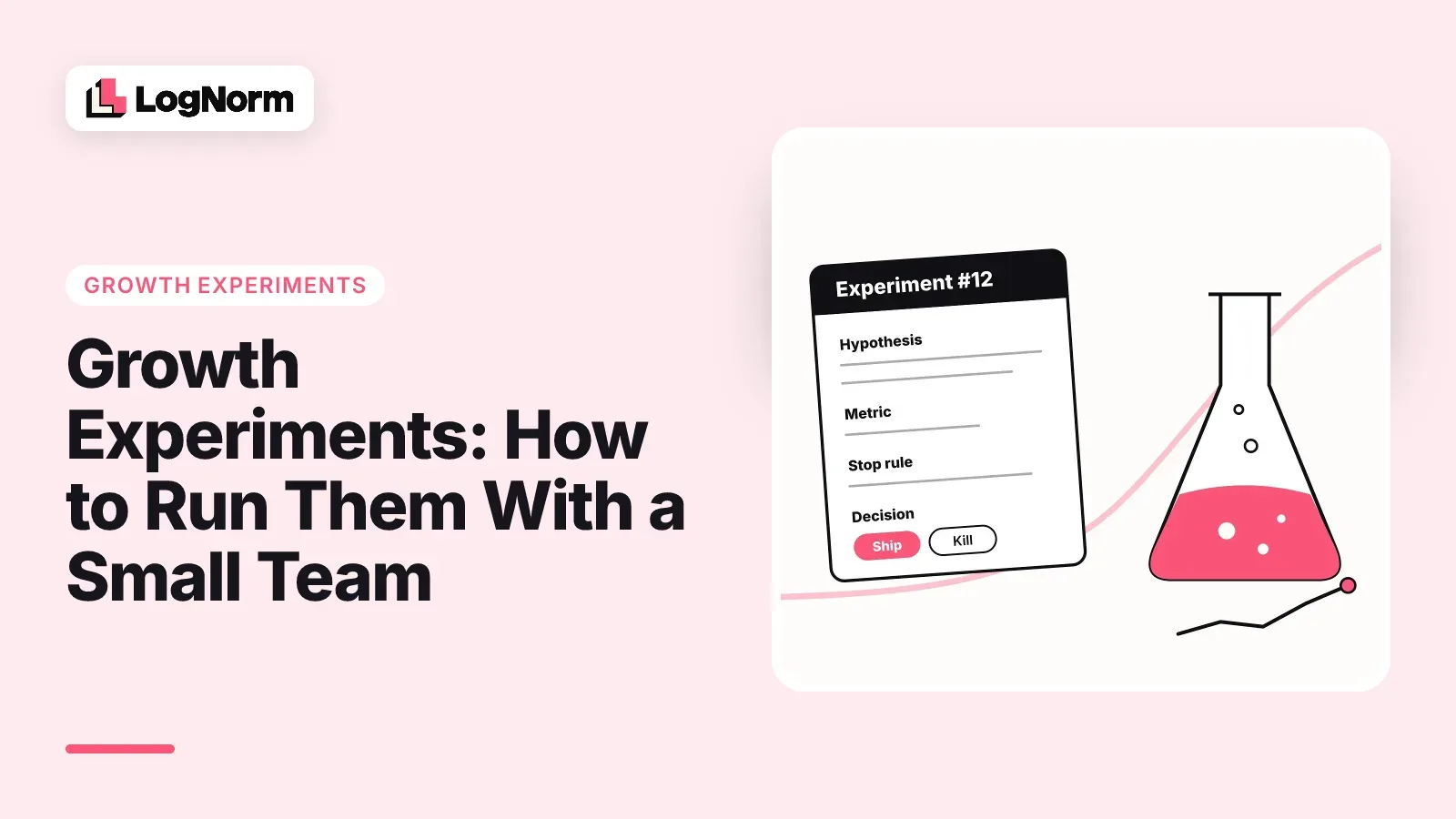
Growth Experiments: How to Run Them With a Small Team
Run growth experiments with a small team: a one-page hypothesis template, honest sizing for low traffic, a stop rule, a results log and a ranked backlog.
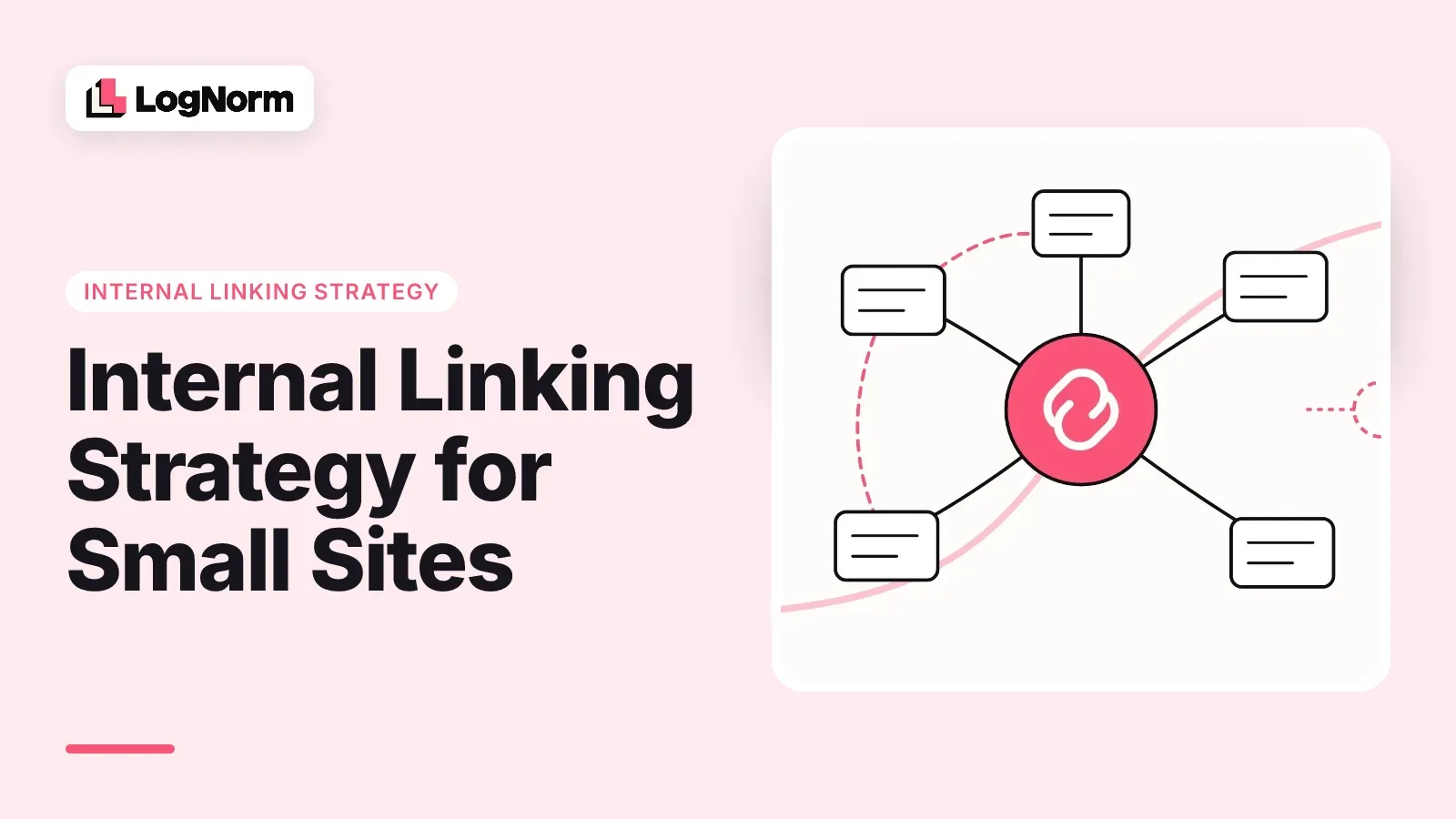
Internal Linking Strategy for Small Sites
An internal linking strategy for sites with tens to a few hundred pages: hub-and-spoke links, anchor text, orphan pages and a monthly routine that fits.
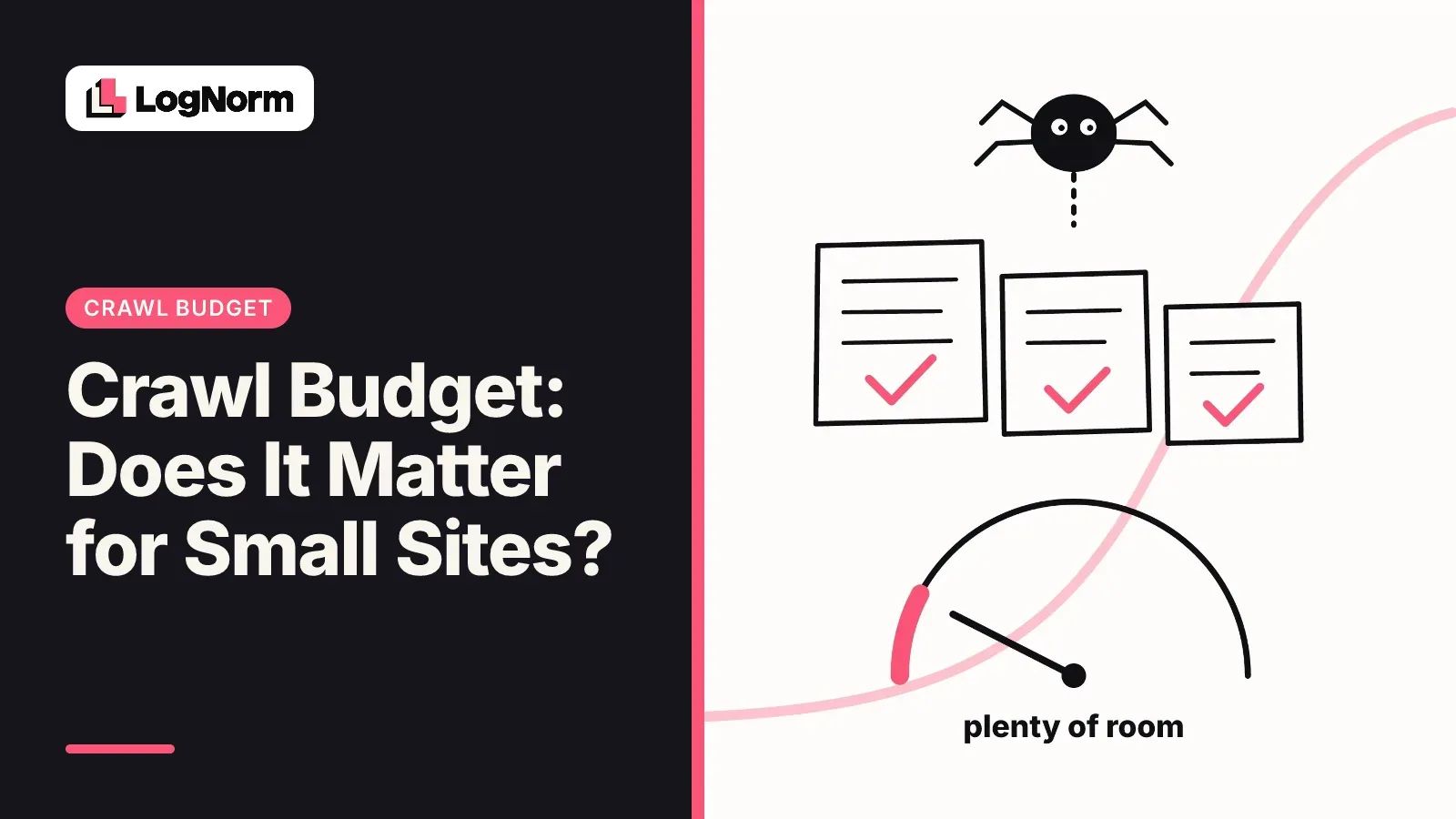
Crawl Budget: Does It Matter for Small Sites?
Crawl budget rarely limits a site under a few thousand URLs. See what Google says, what really slows crawling, and how to check your Crawl Stats.

AI Overviews: A Practical Guide
What Google AI Overviews are, when they appear, what they do to clicks, how to check if your pages are cited, which controls work, and how AI Mode differs.

Meta Description Length: What Google Shows in 2026
Meta description length has no fixed limit: Google cuts snippets by pixel width. See what fits on desktop and mobile, and how to get yours shown.
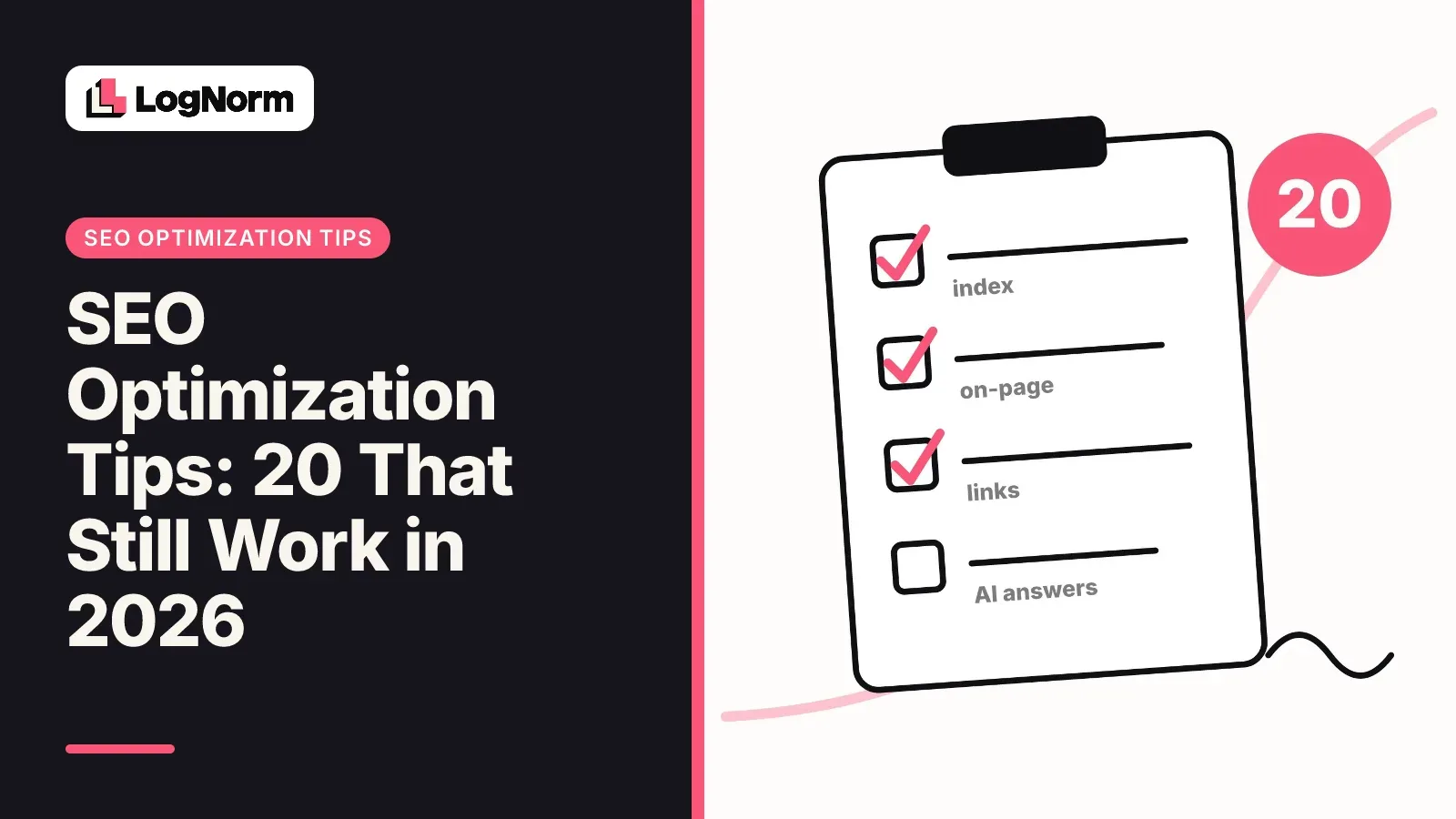
SEO Optimization Tips: 20 That Still Work in 2026
20 SEO optimization tips backed by Google's own documentation, grouped by indexing, on-page, content, links, speed and AI answers, each with a quick check.
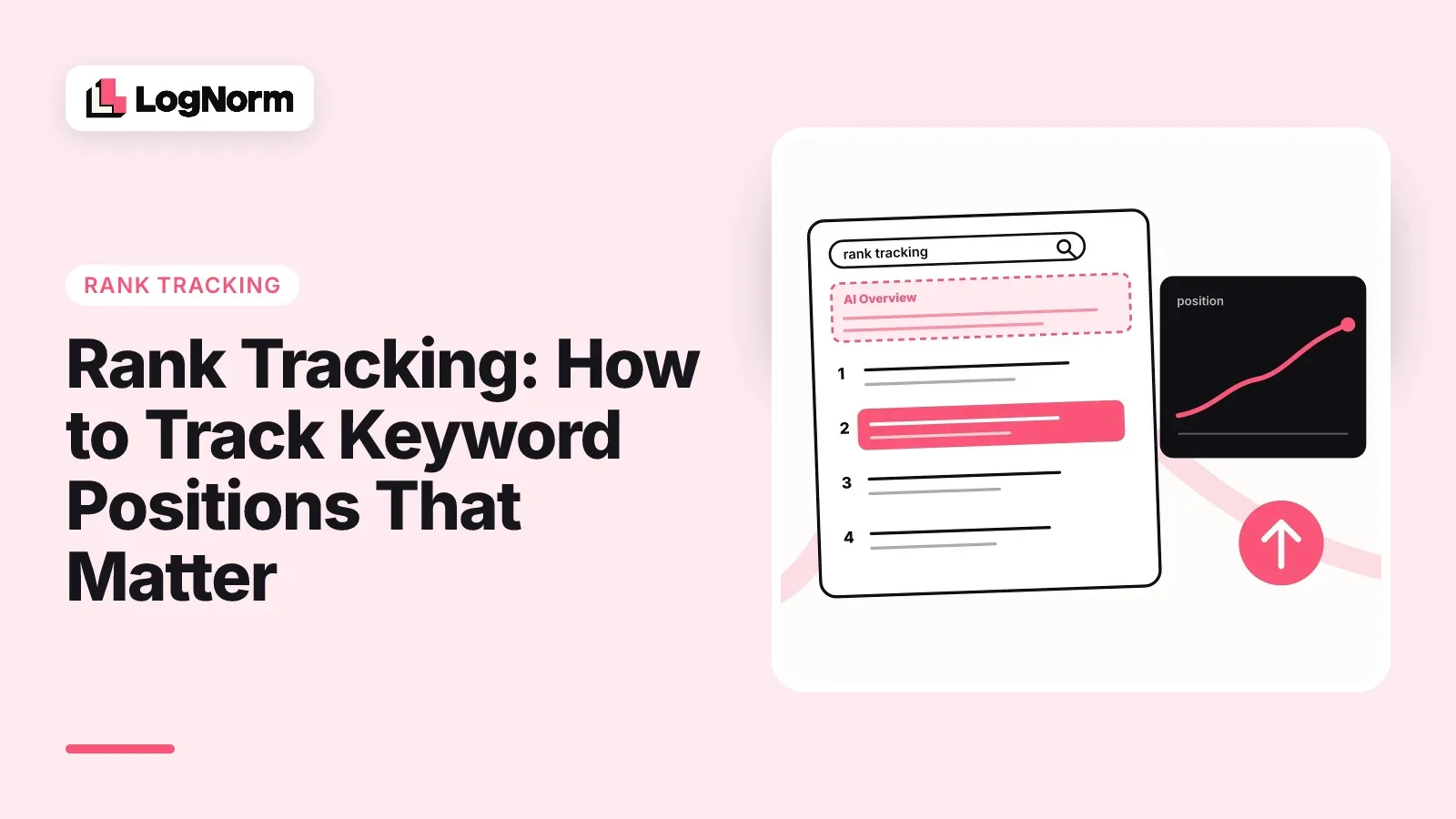
Rank Tracking: How to Track Keyword Positions That Matter
Rank tracking explained: what positions measure, why Search Console and trackers disagree, which keywords to track, how often, and how to pick a tool.
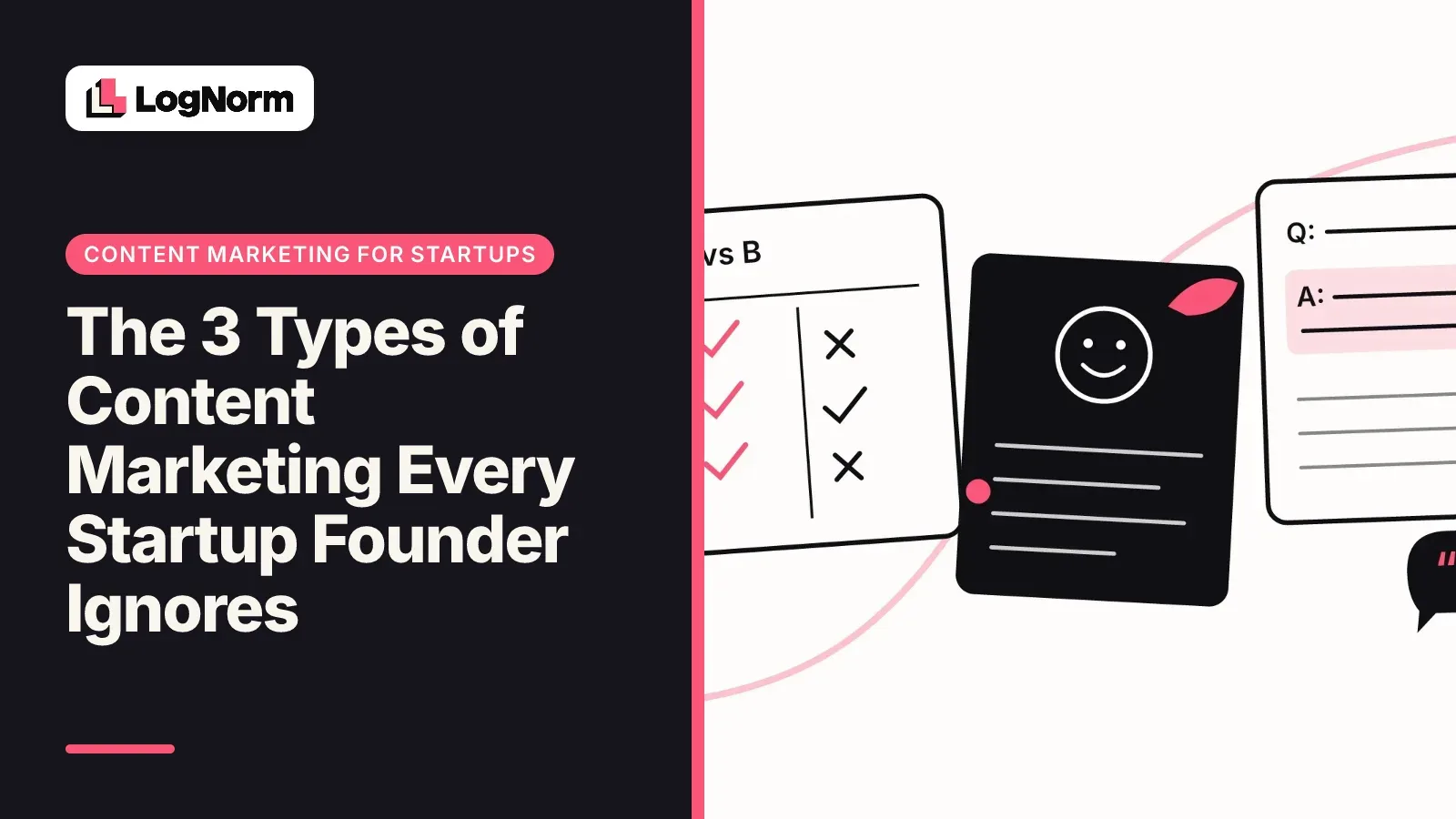
The 3 Types of Content Marketing Every Startup Founder Ignores
Content marketing for startups works best with three ignored types: comparison pages, founder point of view and answer-first content. Why, how, examples.
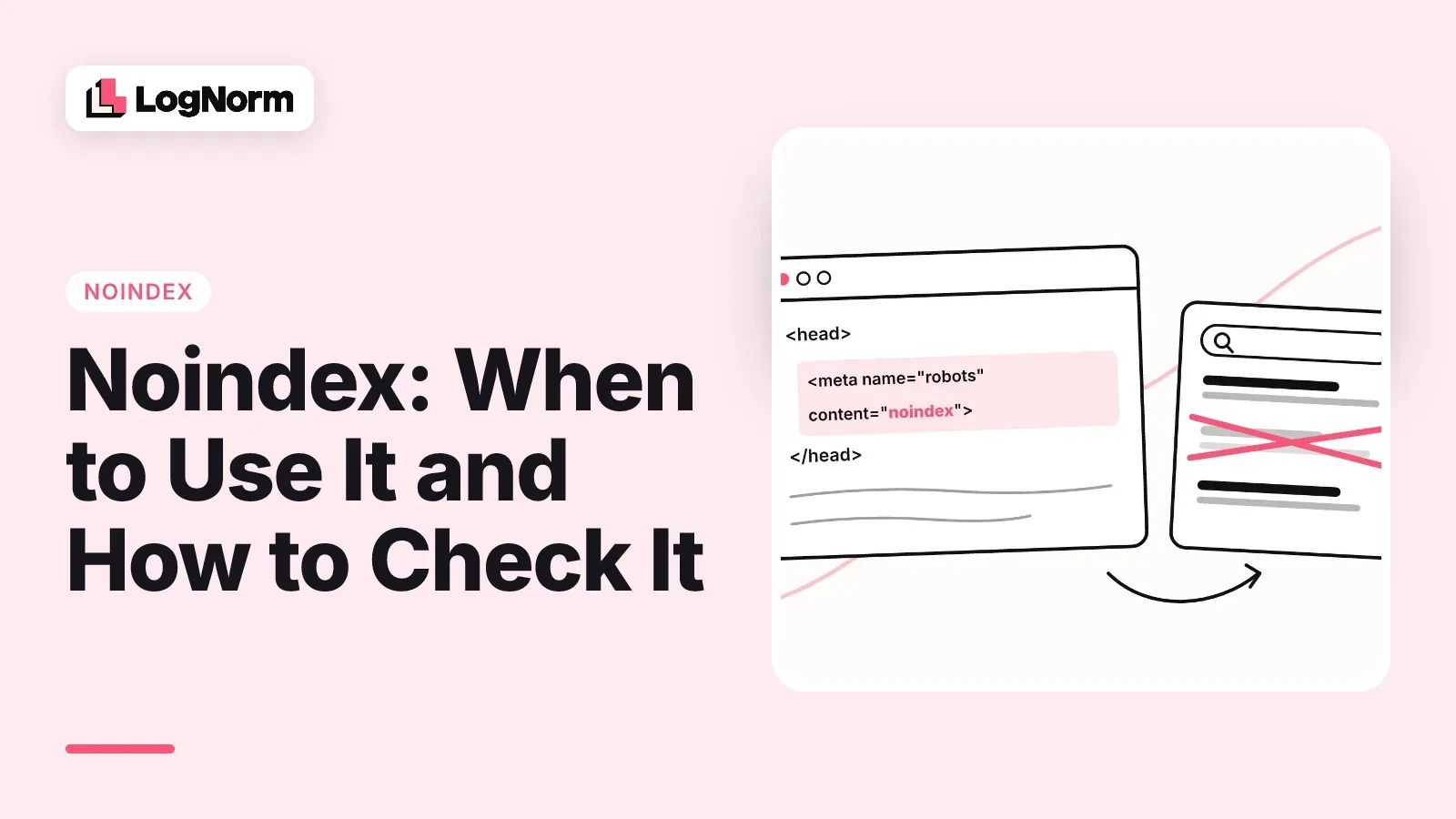
Noindex: When to Use It and How to Check It
Noindex keeps a page out of Google. Learn meta tag vs X-Robots-Tag, when to pick it over robots.txt or canonical, and how to check any page for it.
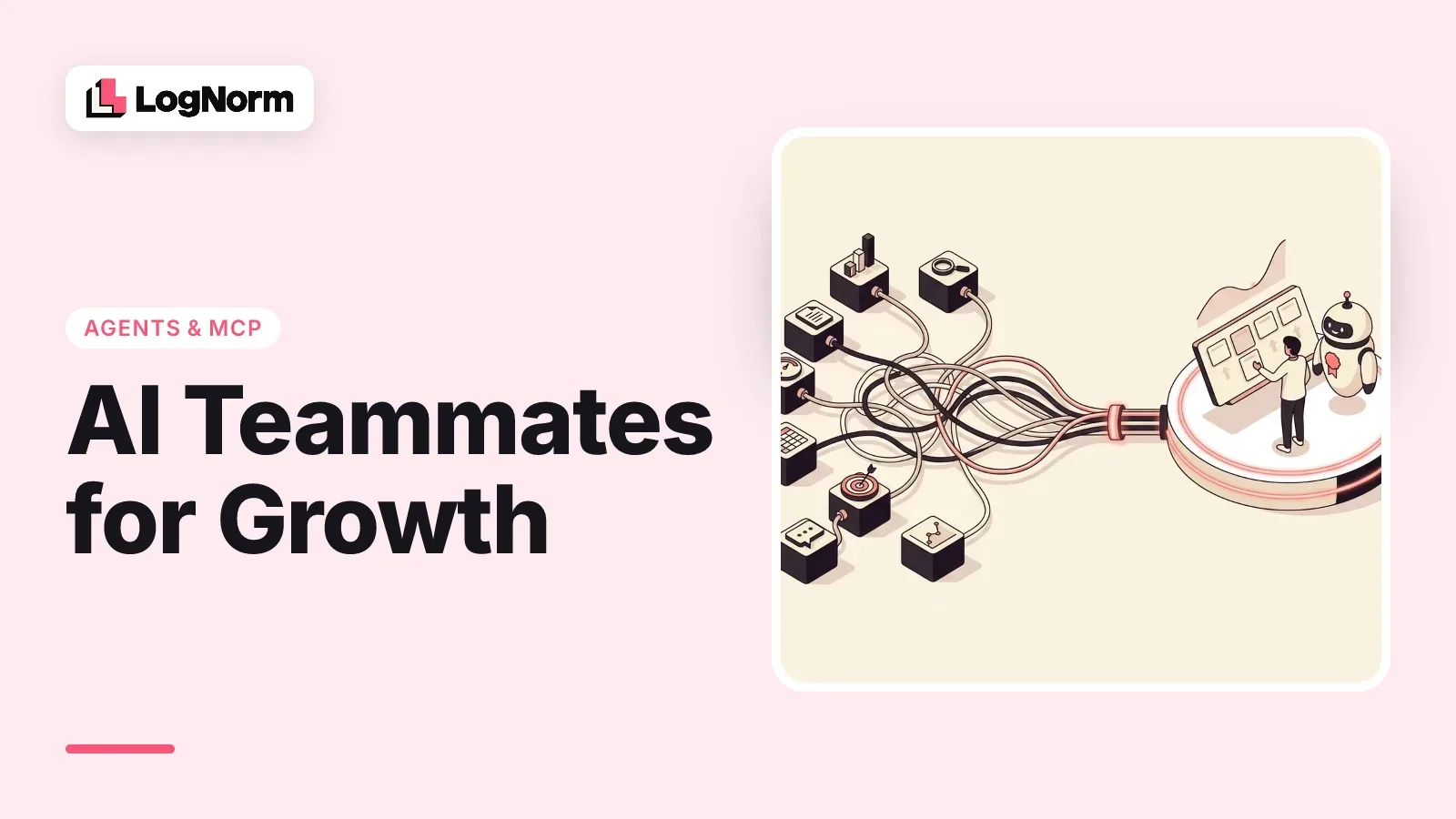
AI Teammates for Growth: One Platform, One Plan, Agents on the Team
What AI teammates are, and how LogNorm turns a sprawl of growth tools into one ranked plan your Claude Code, Codex or Cursor agent can work on.
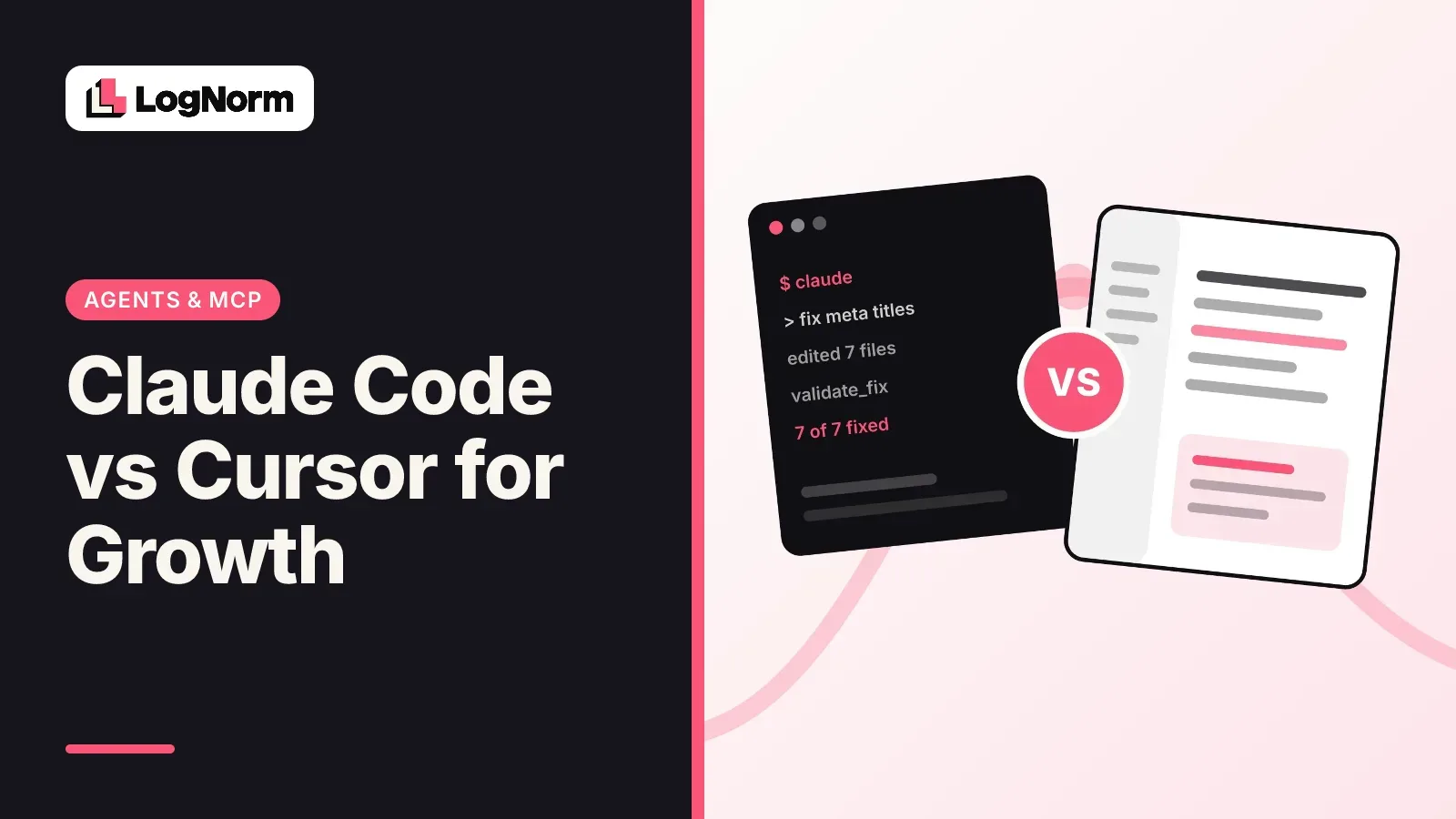
Claude Code vs Cursor for Marketing, SEO and Growth Work
Claude Code vs Cursor for growth teams: MCP setup, skills, sub-agents, SEO edits and drafting content, with a clear pick for who should use which.

What Is MCP? The Model Context Protocol Explained for Marketers
MCP explained for marketers: what the Model Context Protocol is, how it works, and how an agent signs in to your SEO data with safe permissions.

Agentic SEO: Let Your Coding Agent Fix What the Audit Finds
Agentic SEO explained with a real audit: how a coding agent triages findings, fixes the code and lets LogNorm re-check the live site before closing.

How to Use Google Search Console With Claude via MCP
Set up a Google Search Console MCP for Claude, then ask what matters: striking-distance queries, low-CTR results and pages losing clicks.

SEO Automation With AI Agents: What to Automate, What to Keep
SEO automation guide: which tasks to hand to AI agents, which to keep with people, and how to check every fix on your live site.
Claude for SEO: Workflows That Fix Your Site, Not Just Advise
Claude SEO workflows from our own site audit: triage findings, fix metadata in your repo, expand thin pages and re-check each fix live.

What Is a Growth Agent? How AI Teammates Run Growth
A growth agent is an AI teammate with a name, permissions and a visible record. See how one works from a ranked weekly plan.

Agentic Marketing: How AI Agents Change the Growth Workflow
Agentic marketing means AI agents that plan, act and get checked. See how the growth workflow and team roles change, with a worked example.
Best AI SEO Agents in 2026: Tools Compared by What They Ship
Compare 7 AI SEO agents on what they actually change: your code, a served layer or just text, and whether each SEO agent checks its own fixes.
Best MCP Servers for SEO and Marketing in 2026
The best MCP servers for SEO and marketing in 2026: keyword, SERP, Search Console and analytics data, plus one that ranks the work. With setup notes.
Semrush MCP vs Ahrefs MCP vs DataForSEO MCP Compared
Semrush MCP, Ahrefs MCP and DataForSEO MCP compared on data, setup and billing from each vendor's docs, plus what your agent still needs.
Claude Code vs Codex: Which Agent Runs Your Growth Work Better?
Claude Code vs Codex on marketing tasks: MCP login, skill installs, parallel sub-agents and fixing SEO and GEO issues in a repo, with a fair verdict.
Claude Code for Marketing: Run SEO and Growth From Your Terminal
How to use Claude Code for marketing: set it up with skills and MCP, then run audits, fixes, keyword plans and drafts in a weekly growth loop.
Growth hacking in 2026: what still works, and what AI changed
What growth hacking is, where the term came from, which methods still work in 2026, which got shut down, and a simple, ethical experiment process for startups.
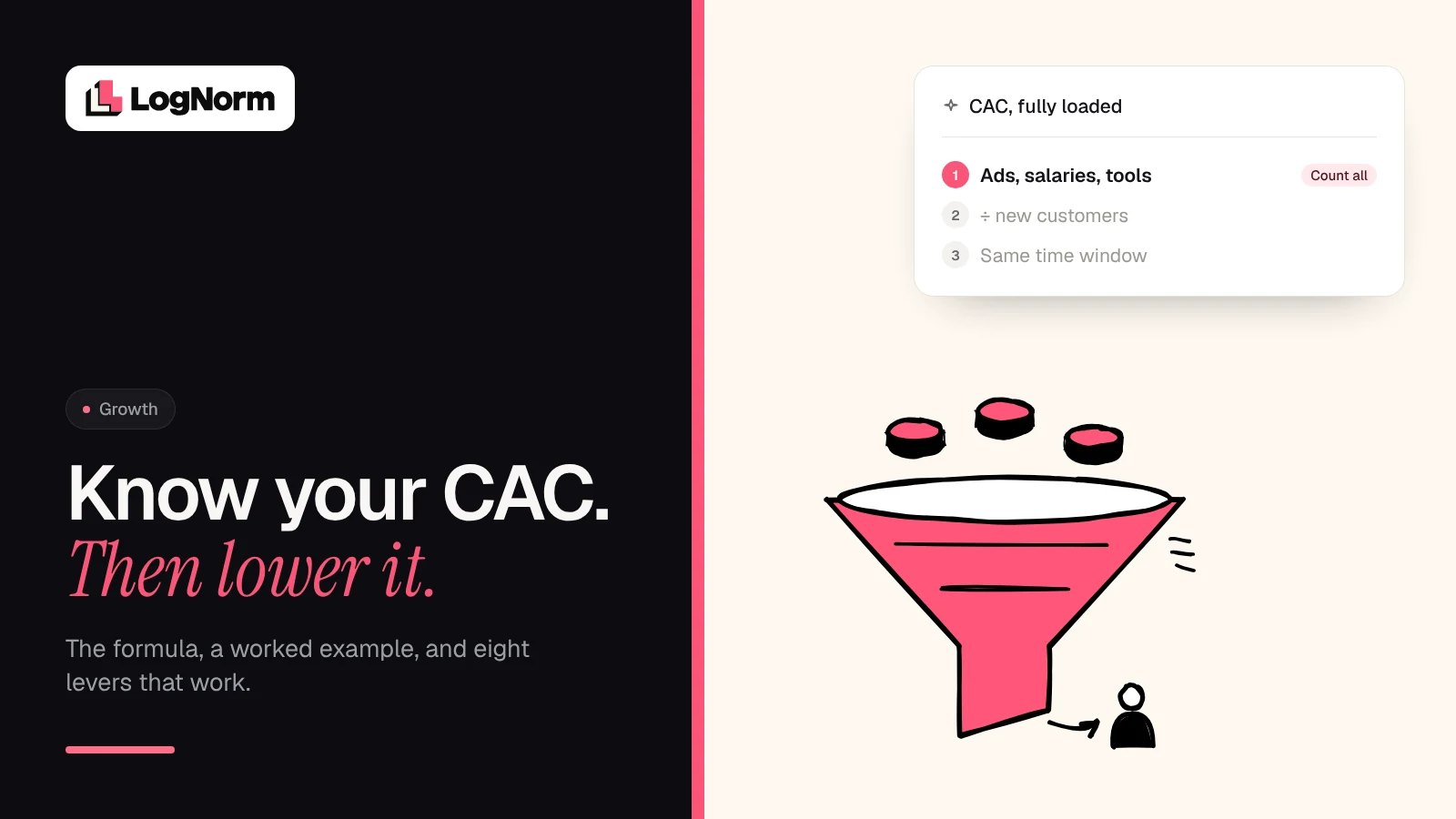
Customer acquisition cost: formula, examples and how to lower it
What customer acquisition cost is, how to calculate blended and paid CAC with a worked example, how to judge payback and LTV:CAC, and 8 ways to lower it.
North star metric: how to choose one that drives growth
What a north star metric is, the tests a good one passes, the input metrics that move it, examples by business model and the mistakes that make it useless.
What is product-led growth? A practical guide for startups
Product-led growth explained for startups: when PLG fits, free trial vs freemium vs reverse trial, activation, PQLs, and the metrics to track at each stage.
Growth loops: how startups build growth that compounds
What a growth loop is, how it differs from a funnel, the five main loop types with real examples, and how to map, measure and speed up your own loop.
AI marketing automation: workflows that pay off for small teams
AI marketing automation adds AI steps to classic workflows. Seven workflows a small team can build, with privacy basics and a simple way to measure payback.
AI agents for marketing: what they can do today
What AI agents for marketing are, the tasks they handle well today, where they fail, and a safe way for a startup team to pilot one with human approval.
AI tools for marketing: what to use for each growth job
A practical guide to AI tools for marketing, organised by job: research, writing, design, SEO and AI visibility, ads, email, analytics and support.
What is growth marketing? A playbook for startups
Growth marketing is full-funnel, experiment-driven marketing. Learn how it differs from traditional marketing and how a 1 to 3 person team can run it weekly.
AI for marketing: how startups use AI to grow
A practical guide to AI for marketing at startups: where AI drives growth, where it fails, an adoption plan by team size, guardrails and how to measure it.
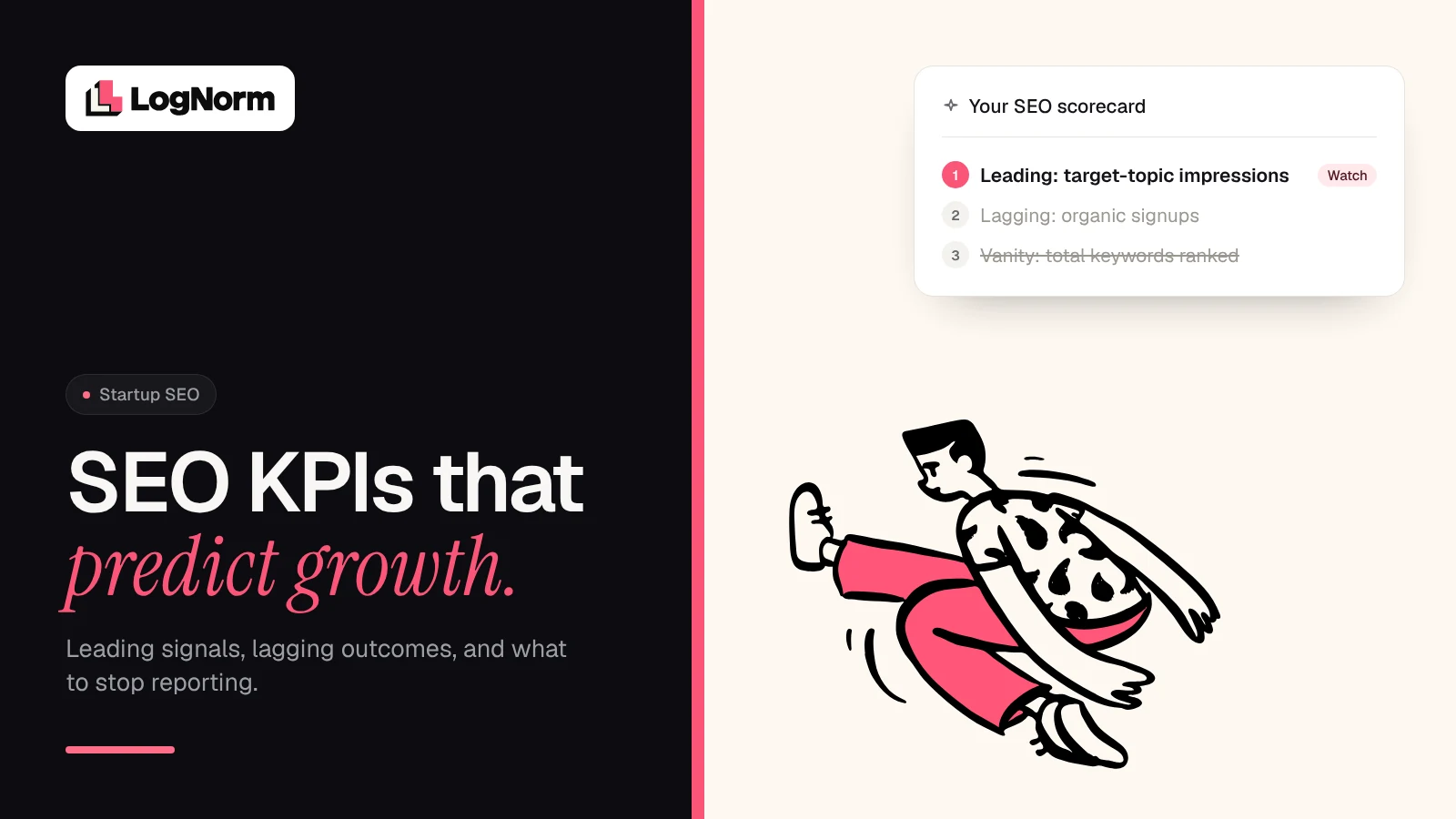
SEO KPIs that actually predict growth
Which SEO KPIs to track, where to find each in Search Console and GA4, how often to review them, and a one-page scorecard for pre-PMF and early-growth startups.

SEO content strategy: from keyword list to ranked backlog
A content strategy in SEO turns a raw keyword list into a ranked backlog. Map intent, cluster topics, pick pillars, score pages and publish on a cadence.
AI SEO: how startups should use AI for search in 2026
AI SEO means two things: using AI to do SEO work faster, and getting found in AI search. Here is where AI helps, where it hurts and what Google allows.
How to get cited in Google AI Overviews
How to rank in Google AI Overviews: what Google requires, which queries trigger them, how they change clicks, and a practical plan to earn citations.
How to rank in ChatGPT and Perplexity
ChatGPT SEO, step by step: which crawlers to allow, how ChatGPT search and Perplexity pick sources, and the content and mentions that get you cited.
What is AI visibility, and how do you measure it?
AI visibility is how often AI assistants mention, recommend and cite your brand. Learn the five metrics that matter and a simple way to track AI mentions.
What is answer engine optimization, and how is it different from SEO?
Answer engine optimization (AEO) means shaping content so search and AI assistants quote it as the answer. How it differs from SEO and GEO, plus a checklist.
GEO vs SEO: what changes and what stays the same
GEO vs SEO explained: how goals, signals, content format and measurement differ, what overlaps, and how a small team should split effort between the two.
SEO for startups: a playbook for teams without an SEO hire
A practical SEO playbook for seed and Series A startups: when SEO is worth it, keywords a new domain can win, technical basics, AI search and a 90-day plan.
Generative Engine Optimization (GEO): The Definitive Guide
Generative engine optimization (GEO) gets your brand named and cited in ChatGPT, Perplexity and AI Overviews. How it works, and a 30-day plan.
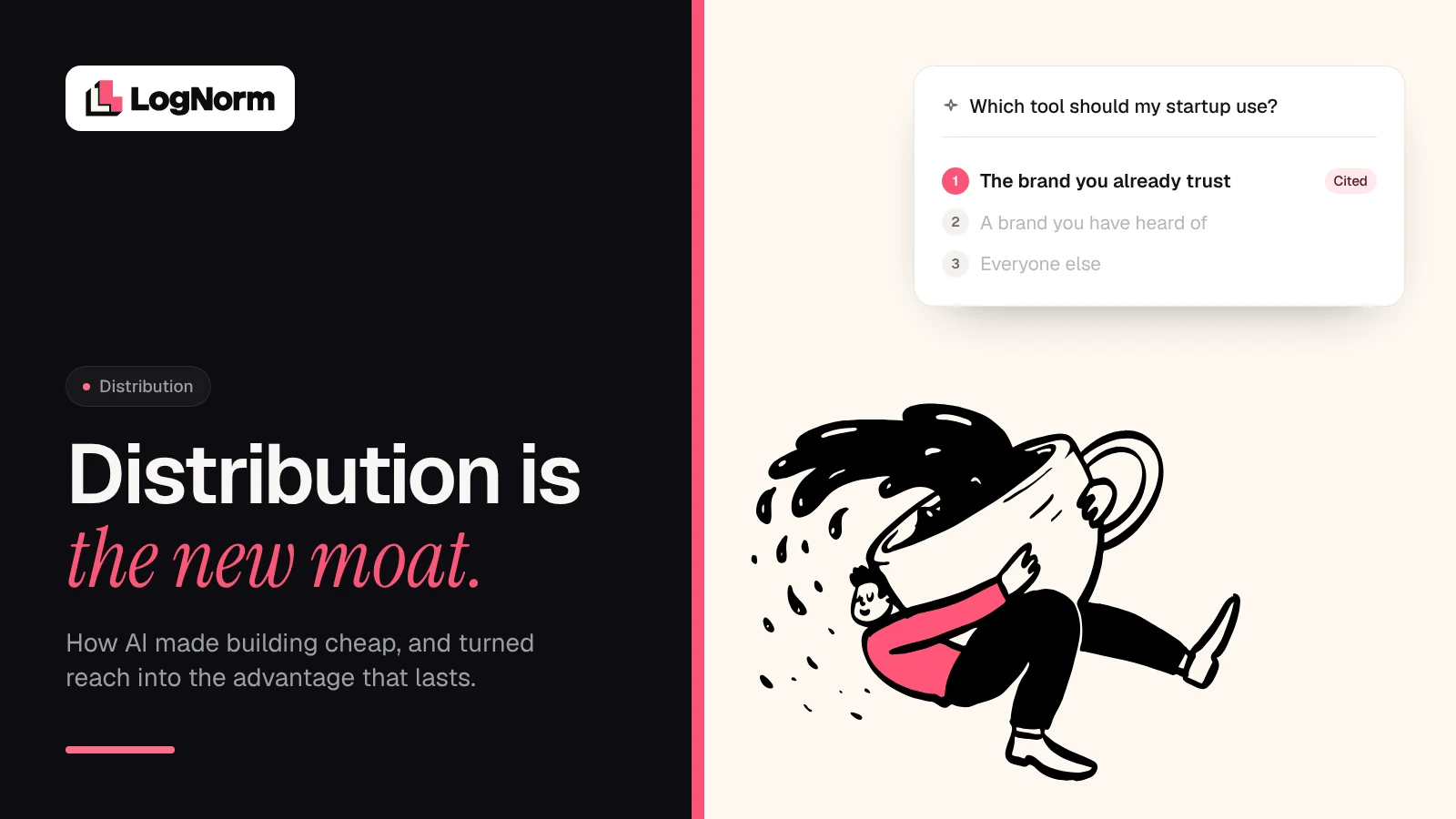
Distribution is the new moat: how AI changed the rules
AI made building software cheap for everyone. Here is why distribution is now the moat that protects a business, and how to build one.
How to Choose Search Engine Optimization Tools for Your Startup
Stop buying data dashboards. Learn how to evaluate search engine optimization tools based on your workflow, team size, and the new reality of AI search.

What is a Growth Engine? A System for Decisions, Not Dashboards
A growth engine isn't another dashboard. Learn what a true growth engine is, how it works, and why it's the key to turning data into a ranked plan.